
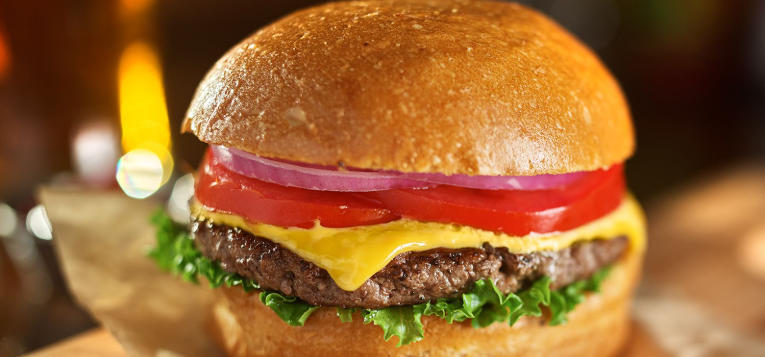
The hamburger is one of the most iconic foods in the United States—simple, satisfying, and deeply woven into the nation’s culinary identity. Yet its origins are far more fascinating than most people expect. While the modern hamburger may be a symbol of American culture, its roots stretch across continents and centuries. Understanding its journey helps us appreciate how innovation, immigration, and regional creativity shaped the burger we know today.
From Hamburg Steak to the American Grill
The earliest influence on the hamburger came from Hamburg, Germany, where “Hamburg steak” referred to minced beef mixed with spices and shaped into a patty. German immigrants brought this concept to the United States in the 19th century, introducing the idea of ground beef as a convenient and flavorful food. At the time, Hamburg steak was often served as a dish on a plate—without a bun, without toppings, and without the grab-and-go appeal that defines the hamburger today.
As industrialization spread and America’s cities grew, ground beef became an affordable option for workers and travelers. But it wasn’t until someone placed this seasoned beef patty between slices of bread that the true American hamburger was born.
Who Invented the Hamburger?
The exact inventor of the first hamburger is a topic of lively debate. Several American towns claim the honor:
-
New Haven, Connecticut – Louis’ Lunch claims to have served the first hamburger sandwich in 1900.
-
Seymour, Wisconsin – The Seymour Fair attributes the creation to Charlie Nagreen in 1885.
-
Athens, Texas – Fletcher Davis is said to have introduced the hamburger at the 1904 World’s Fair.
Although the true origin remains disputed, what’s clear is that the idea emerged organically as vendors looked for a convenient, portable way for customers to enjoy ground beef.
How the Hamburger Became a Cultural Icon
By the early 20th century, diners, food stalls, and state fairs helped popularize the hamburger nationwide. But the real turning point came when the hamburger entered the world of fast food. White Castle began standardizing burger production in the 1920s, making it clean, affordable, and consistent. Later, McDonald’s expanded the hamburger’s influence globally, transforming it from a simple sandwich into a worldwide cultural symbol.
Today, the hamburger has evolved into countless styles—from gourmet wagyu patties to plant-based alternatives—but its core identity remains the same. It is a food born from immigrant creativity, perfected through American innovation, and embraced around the world.