
How Jambalaya Developed in Louisiana
Jambalaya is more than just a delicious dish; it’s a cultural tapestry that reflects the rich history of Louisiana. As a blend of various culinary traditions, this iconic meal has become a symbol of the state’s vibrant heritage. Understanding its origins not only adds depth to your dining experience but also connects you to the diverse communities that have shaped Louisiana’s culinary landscape.
- The Roots of Jambalaya
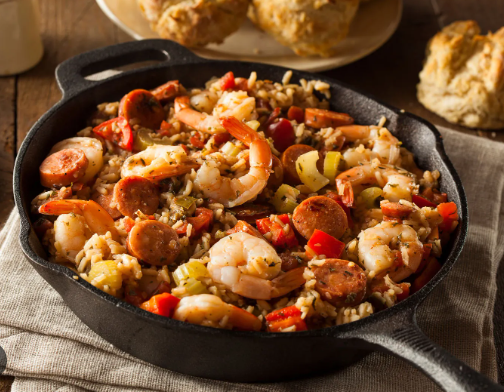
Jambalaya’s roots can be traced back to the Spanish and French influences that permeated Louisiana in the 18th and 19th centuries. The dish evolved from Spanish paella, which typically featured rice, seafood, and various meats. When the French arrived, they introduced their own spices and ingredients, leading to the unique flavor profile we associate with jambalaya today. As different cultures mingled, local ingredients, such as andouille sausage and the “holy trinity” of bell peppers, onions, and celery, were incorporated, creating a dish that is distinctly Louisianan.
- Variations Across Louisiana
One of the fascinating aspects of jambalaya is its regional variations. In New Orleans, you’ll find a more Creole style, often incorporating tomatoes into the mix and featuring a mix of seafood, chicken, and sausage. On the other hand, the Cajun version, popular in rural areas, typically excludes tomatoes and focuses more on smoked meats and spices for a heartier flavor. These differences not only reflect local tastes but also the cultural diversity present in Louisiana, showing how each community has added its own twist to this beloved dish.
- Cultural Significance of Jambalaya
Beyond its culinary appeal, jambalaya also serves as a symbol of community and celebration in Louisiana. Often prepared for gatherings, parties, and festivals, this dish brings people together, showcasing its role as a social staple. Annual events like the Jambalaya Festival in Gonzales celebrate this heritage, offering cooking competitions and tastings that highlight both traditional and modern interpretations of the dish. For many Louisianans, making jambalaya is not just about feeding the body; it’s about nurturing the spirit of community and storytelling.
In conclusion, jambalaya is far more than just a meal; it’s a flavorful journey through Louisiana’s rich history and diverse cultures. By exploring its origins and variations, you not only enhance your appreciation for this dish but also gain insight into the communities it represents. If you haven’t already, why not try making your own jambalaya or visit a local restaurant to experience its rich flavors? Dive into this culinary adventure and share the joy of jambalaya with others!