
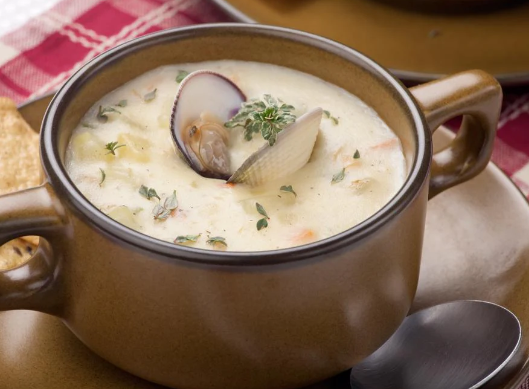
The Origins of the New England Clam Chowder
New England clam chowder is one of America’s beloved dishes, known for its creamy texture and rich flavor. This hearty soup has deep roots in New England’s coastal culture and history, making it a perfect dish to explore, especially for food lovers and history buffs. Join us as we dive into the fascinating origins of this iconic chowder.
1. Historical Background
The story of New England clam chowder dates back to the 18th century when European settlers arrived in North America. Indigenous peoples lived along the coast, enjoying native ingredients like clams and corn. Early settlers adopted these practices, combining local shellfish with their own culinary traditions. Initially, chowder was a simple fish stew, but as the settlers incorporated more local ingredients, including clams, milk, and potatoes, it evolved into the creamy version we know today.
2. Ingredients and Preparation
The traditional recipe for New England clam chowder consists of fresh clams, potatoes, onions, and often celery, combined with milk or cream. One essential aspect of this chowder is the use of salt pork, which adds depth of flavor. The preparation method is straightforward: ingredients are simmered until tender, creating a comforting, warm bowl of soup. Interestingly, while many enjoy an abundance of clams in their chowder, regional variations can affect the clam content, altering the dish’s character over time.
3. Cultural Significance
New England clam chowder is more than just a meal; it represents local culture and community. The chowder gained popularity in the 19th century, especially in maritime communities, where it became a staple for fishermen. It is often served at local seafood shacks and restaurants, showcasing the region’s bountiful seafood resources. Beyond being a comfort food, chowder is a symbol of regional identity, celebrated during events like Chowderfest and at clam shacks across New England.
In conclusion, the origins of New England clam chowder reveal its rich historical context, traditional ingredients, and cultural significance. Whether you’re a seasoned chowder enthusiast or someone new to this culinary delight, exploring its history adds flavor to your dining experience. So, why not try making a classic clam chowder at home or visit a local eatery to savor this timeless dish? Happy tasting!