
The Roots of the American Thanksgiving Meal
Thanksgiving is a cherished holiday in the United States, celebrated with hearty meals, family gatherings, and a sense of gratitude. Understanding the origins of the foods that grace our tables can deepen our appreciation for this special day. Let’s explore the historical roots of the traditional American Thanksgiving meal.
1. The Pilgrim Influence
The story of Thanksgiving begins in 1621 when the Pilgrims and the Wampanoag tribe shared a harvest feast. The menu likely included wildfowl, corn, and a variety of local vegetables. While turkey is now considered the centerpiece of Thanksgiving, it wasn’t necessarily the primary dish served during that first feast. Instead, guests might have enjoyed venison, ducks, and geese, reflecting the natural resources available to the early settlers. This gathering marked the beginning of a tradition that honors both Native American contributions and the Pilgrim experience.
2. The Journey of Turkey
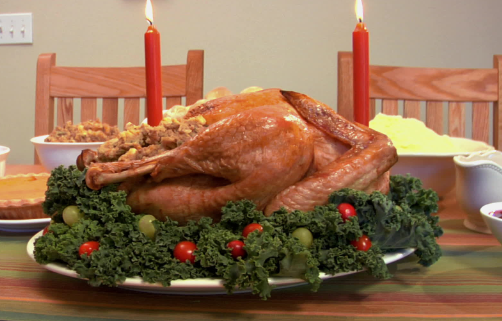
The turkey has become synonymous with Thanksgiving, but its journey to table prominence is fascinating. Wild turkeys were abundant in North America, making them a practical choice for early settlers. They were large enough to feed the whole family and were often hunted in the fall. As American society evolved, domestic turkeys were selectively bred for size and flavor, leading to the birds we recognize today. Over the years, turkey recipes have diversified, ranging from roasted staples to savory stuffing variations, making it a flexible and festive choice for the holiday.
3. The Role of Side Dishes
Alongside turkey, the Thanksgiving meal celebrates a variety of traditional side dishes that have regional and cultural significance. Dishes like stuffing, mashed potatoes, cranberry sauce, and pumpkin pie each have their own stories. Stuffing, for instance, is thought to have roots in ancient cooking methods when meats were often filled with herbs and grains. Cranberries, a native fruit, not only add color to the table but also serve as a reminder of the Native American influence on the meal. These side dishes bring together various cultural influences, creating a rich tapestry that reflects the diverse heritage of the United States.
In conclusion, the American Thanksgiving meal is a celebration of history, culture, and community. By understanding its origins—from the Pilgrims and Native Americans to the evolution of dishes like turkey and cranberry sauce—we can appreciate the meal’s significance beyond just food. This Thanksgiving, take a moment to reflect on the stories behind your favorite dishes and perhaps incorporate a new recipe that honors this rich heritage. Happy Thanksgiving!