
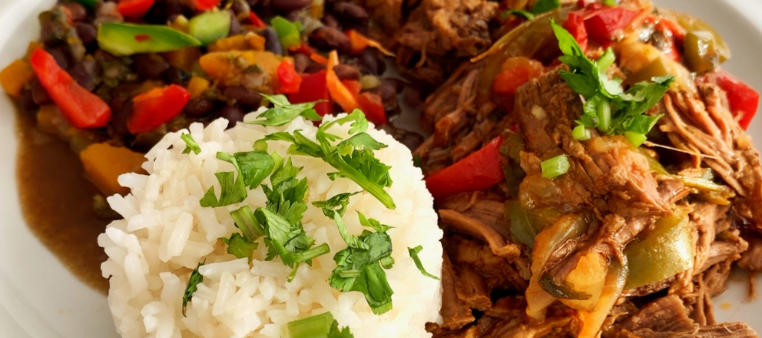
Ropa Vieja, a staple of Cuban cuisine, not only delights the palate but also tells a rich story about cultural fusion and resilience. This beloved dish of shredded beef in a savory tomato-based sauce has deep historical roots that reflect Cuba’s complex past, making it a fascinating topic for anyone interested in food, culture, or history.
The Origins of Ropa Vieja
Ropa Vieja, which translates to “old clothes,” is believed to have originated in Spain, specifically the Canary Islands. The dish was brought to Cuba through Spanish colonization in the 16th century. Initially a peasant’s meal, it was made with leftover beef and vegetables, reflecting the resourcefulness of those in need. Over time, the dish adapted to include local spices and flavors, influenced by African, Indigenous, and Caribbean culinary practices, ensuring its status as a national treasure in Cuban gastronomy.
Cultural Influences and Variations
The cultural tapestry of Cuba greatly contributes to the unique flavor profile of Ropa Vieja. Spanish settlers introduced the basic recipe, while African slaves brought spices and cooking techniques that transformed the dish into something uniquely Cuban. The addition of ingredients like bell peppers, onions, and cumin reflects these rich influences. There are even variations throughout Cuba, with some regions adding ingredients like olives or bay leaves, highlighting the dish’s adaptability to local tastes.
Ropa Vieja Today
Today, Ropa Vieja is more than just a meal; it symbolizes Cuban heritage and culinary prowess. It is commonly served with rice, black beans, and fried plantains, embodying a complete meal that resonates with both locals and visitors alike. As the Cuban diaspora continues to spread globally, Ropa Vieja has made its way onto menus far beyond Cuba, allowing people worldwide to enjoy this heartfelt dish. Its presence in culinary celebrations and family gatherings underscores its significance in maintaining cultural ties, making it a meal that brings people together.
In conclusion, Ropa Vieja is more than just a delicious dish; it represents a fusion of cultures and the story of Cuba itself. Whether you’re trying it for the first time or savoring a beloved family recipe, understanding its history adds depth to your dining experience. Consider learning more about Cuban cuisine, or perhaps even trying your hand at making Ropa Vieja yourself!