
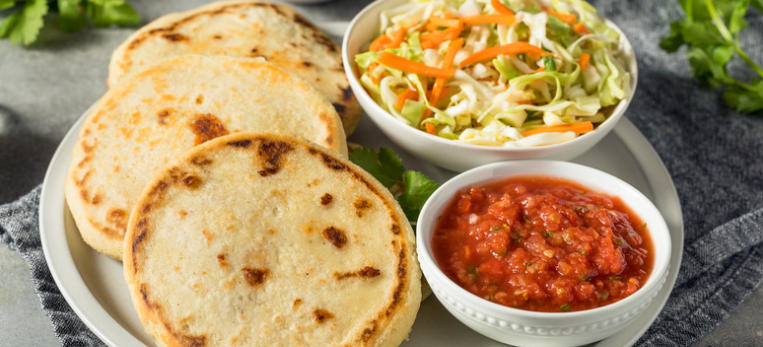
Pupusas, a traditional dish from Central America, particularly El Salvador, are gaining popularity worldwide. Understanding their origins enriches our appreciation for this unique culinary creation and highlights the cultural significance they hold within local communities. Let’s explore how pupusas were created and the rich history behind this delicious treat.
The Historical Roots of Pupusas
Pupusas have a deep-rooted history that traces back to the indigenous peoples of El Salvador. Archaeological evidence suggests that the dish has been enjoyed for over 2,000 years, originally made from corn, a staple crop of Mesoamerican cultures. The name “pupusa” itself is derived from the Pipil language, while the dish has evolved over centuries, incorporating various ingredients and methods influenced by different cultures, including Spanish colonization. This blending of traditions showcases the resilience and adaptability of local cuisines.
Ingredients and Variations
At their core, pupusas are crafted from masa (corn dough) and are typically filled with various ingredients. Common fillings include cheese, beans, chicharrón (fried pork), and even vegetables. This versatility means that there’s a pupusa for every palate! In addition to the fillings, pupusas are often served with curtido, a tangy cabbage slaw, and salsa roja, a flavorful tomato sauce. Each region may have its unique twist on the classic recipe, making every pupusa a reflection of local tastes and customs.
Cultural Significance and Celebration
Pupusas are more than just food; they are a symbol of national pride in El Salvador. Pupusas have their own day of celebration, known as National Pupusa Day, which occurs on the second Sunday in November. This day brings together communities to celebrate the rich cultural heritage surrounding pupusas with festivals, fairs, and, of course, lots of delicious food. It’s all about sharing stories, recipes, and the joy of gathering over a meal, reinforcing the integral role that pupusas play in Salvadoran identity.
In conclusion, the story of pupusas is a flavorful journey through history, culture, and community. Whether you’ve enjoyed them before or are new to this Central American delight, exploring the origins and variations of pupusas can enhance your culinary experience. Consider trying your hand at making pupusas at home or visiting a local restaurant that specializes in this wonderful dish. Happy eating!