
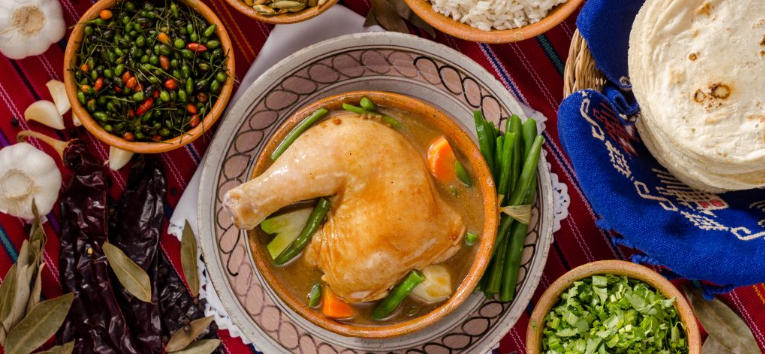
Guatemalan Pepian is more than just a dish; it’s a beloved symbol of culinary heritage that showcases the rich history of Guatemala. As a traditional stew, Pepian boasts a unique blend of indigenous and Spanish influences, highlighting the country’s diverse cultural tapestry. Understanding its origins can deepen our appreciation for this flavorful dish and its place in Guatemalan society.
The Cultural Roots of Pepian
Pepian’s roots can be traced back to the ancient Maya civilization, where indigenous cooking techniques and ingredients laid the foundation for many traditional dishes. The use of spices, herbs, and local produce reflects the rich biodiversity of Guatemala. As Spanish colonizers arrived in the 16th century, they brought new ingredients like chicken, pork, and rice, which were skillfully integrated into the existing culinary landscape. This harmonious blend created Pepian, showcasing the fusion of cultures that defines much of Guatemalan cuisine.
Ingredients That Tell a Story
One of the most fascinating aspects of Pepian is its ingredients, which vary by region and family tradition. Common components include chicken or beef, various vegetables, and an array of spices, such as sesame seeds and coriander. The use of roasted ingredients, like tomatoes and chilies, adds depth and complexity to the flavor profile. Each bowl of Pepian tells a story, reflecting the local agricultural practices and the unique influences of the cooks who make it. The versatility of this stew allows it to evolve, ensuring that it remains both relevant and deeply personal to those who prepare it.
Pepian’s Role in Guatemalan Celebrations
Pepian is not just a comfort food; it plays a significant role in Guatemalan festivities and family gatherings. Often served during holidays or special occasions, this dish embodies the spirit of hospitality and community. Families work together to prepare Pepian, and sharing it becomes a way to connect, celebrate heritage, and honor traditions. For many Guatemalans, a meal of Pepian is a cherished reminder of home, reinforcing bonds among generations. This cultural significance makes Pepian much more than a meal; it’s a celebration of identity.
In conclusion, Pepian represents the heart and soul of Guatemalan cuisine, showcasing a rich history that blends indigenous and Spanish influences. Whether you’re experiencing it for the first time or revisiting a beloved recipe, understanding its origins enhances the enjoyment of this remarkable dish. So why not dive deeper into Guatemalan culinary traditions? Try making Pepian at home or explore local restaurants that serve it. Embrace the flavors and stories that this enchanting stew has to offer!