
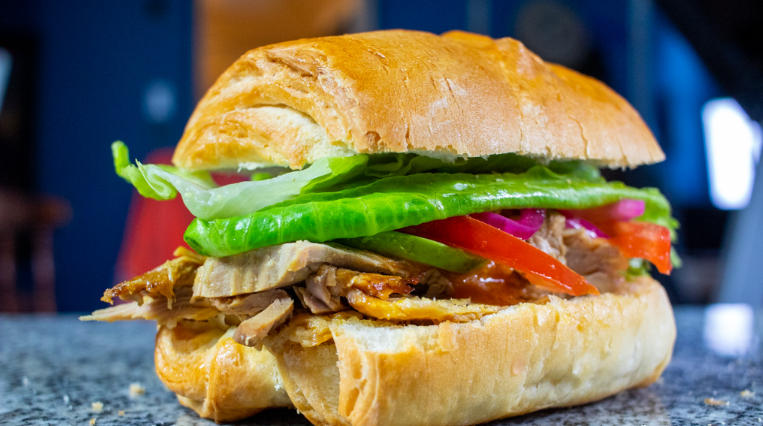
Ecuadorian hornado is more than just a popular dish; it is a celebration of culture and tradition. Understanding its origins not only enriches our appreciation for this succulent roasted pork but also connects us to Ecuador’s diverse culinary heritage. Let’s explore how this beloved dish came to be and what makes it so special.
The Historical Roots of Hornado
Hornado traces its roots back to the Andean indigenous cultures, where communal feasting played a significant role in celebrations and rituals. Originally, hornado was prepared during significant occasions, such as festivals or family gatherings. The cooking method evolved over centuries, influenced by Spanish colonization and the introduction of roasting techniques. While the indigenous people favored earthy flavors and local ingredients, the Spanish brought with them their love for meats, blending these culinary traditions to create the flavorful dish we enjoy today.
The Cooking Process: Tradition Meets Technique
The preparation of hornado is an art form passed down through generations. Traditionally, the pork is marinated with a blend of spices, including garlic, cumin, and achiote, which gives it a vibrant color and rich flavor. The centerpiece of hornado is the slow-roasting process, where the marinated pork is cooked in an oven or a pit, allowing the fat to render beautifully while keeping the meat tender and juicy. This technique not only enhances the flavor but also creates a crispy skin that is a signature feature of the dish. Families often gather around to enjoy the spectacle of cooking, reinforcing the dish’s role in fostering community ties.
Cultural Significance and Modern Adaptations
In Ecuador, hornado is more than just food; it symbolizes hospitality and family unity. During festive occasions, it is often served with traditional accompaniments such as llapingachos (potato cakes), salad, and a spicy peanut sauce known as “ají.” Today, you’ll find hornado in restaurants and markets across Ecuador, and it has even made its way into street food culture. Chefs are now experimenting with modern twists, like creating hornado tacos or using fusion elements to appeal to a broader audience. These adaptations show how deeply entrenched hornado is in Ecuadorian culture while also allowing it to evolve and flourish.
In conclusion, the origins of Ecuadorian hornado offer a fascinating glimpse into the country’s culinary landscape. By understanding its historical roots, cooking techniques, and cultural significance, we can appreciate this mouthwatering dish on a much deeper level. Next time you savor hornado, take a moment to reflect on its rich heritage. If you’re curious to explore more about Ecuadorian cuisine or even try your hand at making hornado, don’t hesitate to dive into this delicious world!