
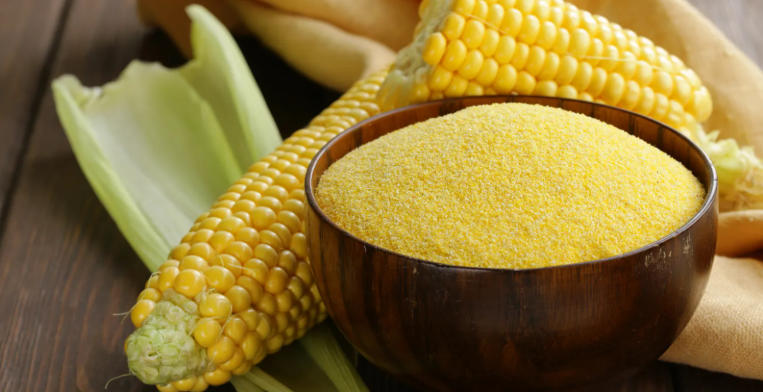
Corn, or maize, has been a cornerstone of life in the Americas for thousands of years. It has shaped not only agriculture and cuisine but also culture and economies across the continent. Understanding the history of corn-based foods provides insight into the rich traditions and innovations that have evolved over time.
The Origins of Corn in Ancient Cultures
Corn was domesticated around 9,000 years ago in what is now southern Mexico. Early Mesoamerican civilizations, such as the Maya and Aztec, revered corn and integrated it into their daily lives. The plant itself was remarkably versatile, providing a staple food source that could be prepared in numerous ways. By grinding corn into flour, these cultures created tortillas, a staple that continues to be enjoyed worldwide today. The cultivation of corn not only sustained populations but also played a significant role in ancient rituals and trade.
Regional Varieties and Innovations
As corn spread throughout the Americas, unique regional varieties and culinary practices emerged. For example, the ancient Pueblo peoples in the Southwestern United States developed techniques to grow corn in arid conditions, resulting in rich, flavorful varieties suited for their environment. Meanwhile, the popular dish polenta in Italy and arepas in Colombia highlight how corn adapted to various culinary traditions globally. Each region used corn differently, from the creamy grits of the American South to the savory tamales of Central America, showcasing the grain’s incredible versatility.
Modern Corn Uses and Cultural Significance
Today, corn remains essential not only as a food source but also in industry and culture. Corn-based products like corn syrup, popcorn, and tortillas are staples in many households. It’s fascinating to note that corn is deeply embedded in popular culture, celebrated in festivals and traditions across the Americas. For instance, the Native American tradition of Thanksgiving incorporates corn into dishes that honor the harvest. Additionally, modern innovations continue to shape corn’s use, from biofuels to biodegradable plastics, demonstrating its ongoing relevance in various fields.
Conclusion
The history of corn-based foods in the Americas is a testament to human ingenuity and cultural richness. From ancient civilizations to modern kitchens, corn has woven itself into the fabric of life across the continent. If you’re intrigued by the remarkable journey of this staple grain and its impact on cuisines worldwide, consider exploring more about how corn influences food culture in your area or trying out some traditional corn-based recipes. Happy cooking!