
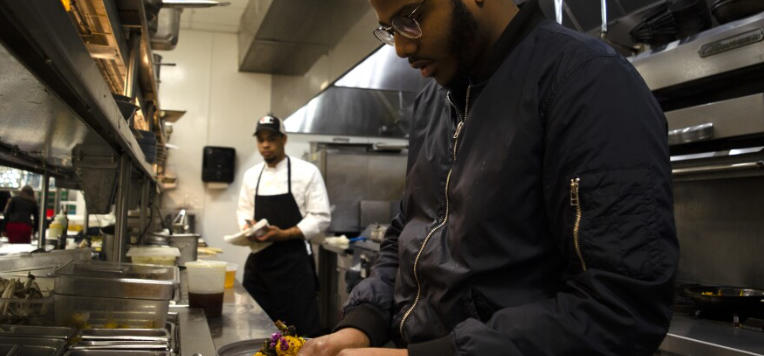
Caribbean cuisine is a vibrant blend of flavors and traditions that tell a rich story of cultural exchange and adaptation. The African impact is particularly significant, as enslaved Africans brought their culinary practices, ingredients, and cooking techniques with them, creating a unique fusion of tastes that still thrive today. Exploring these influences not only enriches our understanding of Caribbean culture but also deepens our appreciation for its diverse and delicious food.
The Legacy of Ingredients
One of the most evident influences from African cuisine is the use of ingredients that have become staples in Caribbean cooking. For instance, okra, black-eyed peas, and yams are all deeply rooted in African culinary traditions and are found in various Caribbean dishes. These ingredients are celebrated for their ability to enhance flavor and nutritional value. The incorporation of spices and herbs, such as thyme, scotch bonnet peppers, and allspice, also highlights the African penchant for vibrant flavors while giving Caribbean dishes their characteristic zest.
Cooking Techniques and Methods
African cooking techniques have significantly shaped the way Caribbean food is prepared today. Methods like boiling, steaming, and grilling are commonplace in both regions. For example, the African tradition of slow-cooking meats and stews was adapted into iconic Caribbean dishes such as jerk chicken and oxtail stew. The use of open-fire cooking and pit roasting, inherited from traditional African practices, remains a beloved technique for preparing many Caribbean favorites. These methods not only enhance the food’s flavor but also encourage communal dining, reflecting the social aspects of meal preparation and enjoyment.
Influences on Flavor Profiles
The flavor profiles found in Caribbean cuisine often reflect the complex heritage of African culinary practices. West African cuisine, known for its bold flavors and variety, has influenced Caribbean dishes in several ways. Dishes like callaloo and pigeon peas and rice have origins tied to African recipes, showcasing ingredients and cooking styles that emphasize depth of flavor. Additionally, seasoning blends developed by the African diaspora, such as adobo and sofrito, have become integral to Caribbean cooking, demonstrating how these culinary traditions have adapted and evolved across generations.
In conclusion, the African influences on Caribbean cuisine create a tapestry of flavors, ingredients, and cooking methods that tell a powerful story of resilience and cultural exchange. By exploring these connections, we can gain a deeper appreciation for the food we enjoy and the rich histories behind them. So, whether you’re trying your hand at a new recipe or sampling dishes at your local Caribbean restaurant, take a moment to savor the global journey that led to these delectable flavors. To learn more about the history and intricacies of Caribbean cuisine, explore cookbooks, documentaries, or even participate in a local cooking class!