
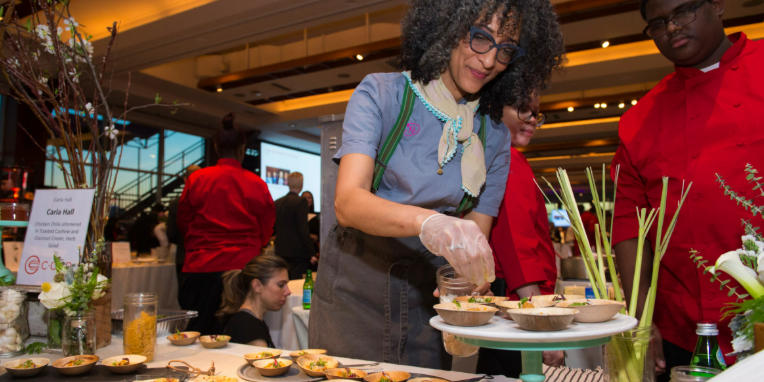
In today’s culinary landscape, fusion dishes are becoming increasingly popular, showcasing a delightful blend of flavors and techniques from around the world. Understanding the origins of these dishes in the Americas provides insight into how cultural exchanges have shaped our food landscape. Let’s explore the key elements that gave rise to these captivating culinary innovations.
The Influence of Indigenous Ingredients
The roots of fusion cuisine in the Americas can be traced back to the diverse Native American tribes that inhabited the continent long before European settlers arrived. Each tribe used local ingredients adaptively, from maize and beans to squash, creating a rich tapestry of flavors. When European settlers brought their own culinary traditions and ingredients, such as wheat and dairy, a unique fusion began. This melding of indigenous practices and European techniques laid the groundwork for the incredible variety of dishes we enjoy today.
The Spice Route and Its Impact on American Cuisine
The spice trade has had a profound effect on food culture worldwide, and its impact in the Americas cannot be overlooked. As explorers and merchants traversed the globe, they introduced spices from Asia, Africa, and the Caribbean to the American palate. Foods like chili peppers, paprika, and allspice found their way into traditional recipes, creating a unique fusion of flavors. This exchange not only enhanced the taste of many dishes but also contributed to the identity of regions, resulting in distinct culinary styles like Tex-Mex and Caribbean cuisine.
Modern Chefs and the Art of Fusion
In recent years, chefs across the Americas have embraced and elevated the concept of fusion cuisine. By combining elements from various culinary traditions, modern chefs create inventive dishes that push the boundaries of what we consider traditional food. Restaurants in cities like Los Angeles and New York often blend Asian, Latin American, and Mediterranean influences, resulting in everything from Korean BBQ tacos to sushi burritos. This new wave of culinary creativity not only highlights the origins of fusion dishes but also encourages a dynamic food culture that continues to evolve.
As we explore the vibrant history of fusion dishes in the Americas, it becomes clear that food is much more than sustenance; it is a reflection of cultural diversity and innovation. Whether you’re a food enthusiast or a curious cook, consider experimenting with your own fusion recipes at home. Dive in, mix flavors, and create your unique take on culinary traditions!