
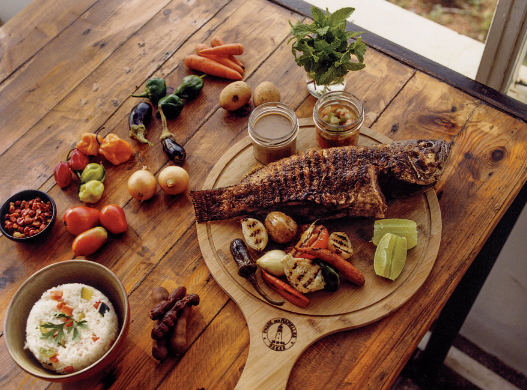
African cuisine is a rich tapestry woven from diverse cultures and traditions, each contributing to a unique culinary experience. With ingredients and cooking methods varying across regions, African food has made significant inroads on the global culinary scene. This blog delves into how African cuisine has been embraced and transformed around the world.
1. The Global Influence of West African Flavors
West African cuisine is renowned for its bold flavors and vibrant dishes that highlight staples like cassava, yams, and a plethora of spices. Nigerian jollof rice, which features a tomato and pepper base, has become a symbol of West African cooking. It is often served during celebrations and has gained international recognition, influencing chefs globally.
The use of indigenous seasonings such as suya spice—a blend that includes ground peanuts, chili, and various aromatics—has reached kitchens beyond Africa. In many countries, restaurants now offer fusion dishes that combine these flavors with local ingredients, creating a unique culinary experience that educates new audiences about West African culture.
-
- Try cooking jollof rice at home using locally available ingredients.
-
- Experiment with suya spice in marinades for grilled vegetables or meats.
-
- Visit a West African restaurant to experience the authentic flavors.
-
- Join cooking classes focusing on West African cuisine to deepen your understanding.
2. North African Spices and Their Culinary Journey
North African cuisine is characterized by its exquisite spices such as cumin, coriander, cinnamon, and saffron. Moroccan tagine, a slow-cooked stew made with various ingredients, showcases a beautiful blend of these spices, making it a popular dish worldwide. Food enthusiasts appreciate its complex flavors and tender textures, often recreating it in their own kitchens.
The rise of Middle Eastern and North African food in global culinary markets has led to the popularization of dishes like harira soup and couscous salad. Chefs have drawn inspiration from traditional recipes to create modern interpretations, such as couscous bowls topped with local ingredients, further enhancing its global appeal.
-
- Incorporate spices like cumin and coriander into your everyday cooking.
-
- Try making a Moroccan tagine at home; numerous online recipes are available.
-
- Explore local North African markets for authentic ingredients.
-
- Attend food festivals that celebrate North African cuisine for a wider experience.
3. East African Culinary Treasures
East African cuisine highlights the essential role of staples like maize, rice, and lentils, alongside unique dishes such as injera, a sourdough flatbread. This bread, commonly associated with Ethiopian and Eritrean food, serves as both a plate and utensil, allowing diners to scoop up flavorful stews known as wats. Injera has caught the attention of food lovers globally, inspiring restaurants and home cooks to explore its unique texture and flavor.
Moreover, the influence of Indian cuisine, brought by historical trade routes, can be observed through dishes like biryani and samosas which are now harmoniously integrated into East African menus. Cafes and restaurants continue to experiment with these flavors, creating new dishes that honor traditional recipes while appealing to modern tastes.
-
- Make injera using teff flour for an authentic homemade touch.
-
- Pair traditional stews with injera to experience full flavors.
-
- Explore fusion dishes that combine East African and Indian influences.
-
- Try cooking vegetarian and vegan versions to appreciate the depth of flavors.
4. Southern African Comfort Foods
Southern African cuisine is well-known for its hearty dishes that often feature maize, known locally as mielie meal. Pap, a versatile staple, can be served with various stews, grilled meats, or even as a base for vibrant vegetable dishes. The communal aspect of Southern African meals reflects the culture, bringing people together to enjoy that sense of belonging over shared dishes.
The iconic braai, or barbecue, is another cornerstone of Southern African culinary culture. It’s not just a cooking method but a social event that emphasizes community. As Southern African gastronomy spreads globally, food festivals and workshops are further promoting braai techniques and flavors, leading to an appreciation for its deep-rooted traditions.
-
- Host a braai at home to familiarize yourself with Southern African flavors.
-
- Learn about the cultural significance of communal meals.
-
- Experiment with spices and marinades for grilling meats and vegetables.
-
- Consider participating in local food festivals to experience Southern African cuisine firsthand.
In summary, African cuisine continues to thrive globally, embracing new influences while preserving traditional roots. By exploring the vibrant flavors and diverse cooking styles of African countries, we can appreciate the beauty of this culinary heritage. Consider trying out new recipes or visiting local African restaurants to immerse yourself in this rich tapestry of flavors.