
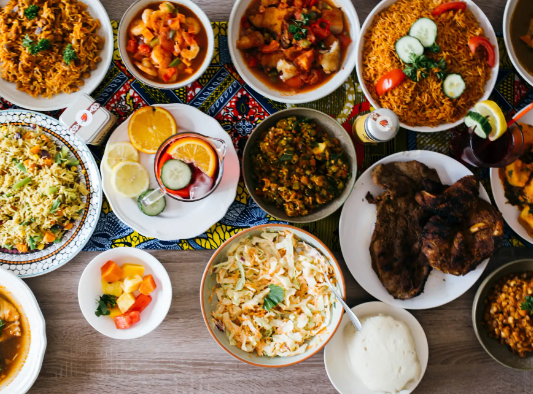
African culinary traditions are as diverse as the continent itself, offering a rich tapestry of flavors, techniques, and cultural significance. From the spicy street food of West Africa to the communal dining practices of East Africa, each region contributes unique dishes steeped in history.
1. The Diversity of Ingredients
African cuisine showcases a vibrant array of ingredients, influenced by the local climate and geography. Staples such as maize, yams, cassava, and rice are commonly found, with each region adding its own local twist. For instance, in West Africa, ingredients like plantains and okra are prevalent, while North Africa features couscous and a variety of spices like saffron and cumin.
Seasonality also plays a crucial role in African cooking. Many communities rely on fresh produce from local markets, embracing the flavors of the season. This commitment to fresh ingredients not only enhances the taste but also connects families to their cultural heritage through communal gatherings focused on shared meals.
-
- Explore local markets to discover seasonal ingredients.
-
- Incorporate a variety of grains into your meals, like millet or teff.
-
- Experiment with different regional spices to elevate your dishes.
-
- Utilize local herbs for flavor, such as coriander or mint.
2. Cooking Techniques and Methods
The techniques used in African cooking can vary widely, from boiling and grilling to the more intricate processes of fermentation and smoking. For example, injera, a staple in Ethiopian cuisine, is made from teff flour through a process of fermentation, resulting in a sourdough texture that complements various stews. In contrast, grilling (or braai) is a common practice in Southern Africa, where meats are marinated and cooked over open flames, infusing them with deep, smoky flavors.
Additionally, many dishes are prepared with communal participation, reflecting the cultural ethos of sharing and togetherness. The act of preparing and eating food together strengthens social bonds and preserves culinary traditions that have been passed down through generations.
-
- Try grilling or smoking your meats for a different flavor profile.
-
- Create a sourdough starter for traditional breads like injera.
-
- Invite friends or family to join in meal preparations for a shared experience.
-
- Experiment with various cooking styles from different African regions.
3. The Role of Food in Cultural Practices
Food plays a significant role in African culture, often tied to traditional rituals, celebrations, and daily life. For instance, during weddings or significant life events, specific dishes are prepared according to cultural significance. In West Africa, jollof rice is a popular choice, symbolizing community and celebration, often served in large quantities for gatherings.
Moreover, specific foods are often intertwined with particular festivals and events. The harvest festival might see a variety of dishes made from newly harvested grains and fruits, emphasizing gratitude and sharing among the community. This connection between food and cultural identity fosters a sense of belonging and continuity across generations.
-
- Learn about traditional dishes related to local festivals.
-
- Incorporate cultural practices into your cooking routine.
-
- Prepare communal meals to celebrate significant life events.
-
- Share stories about the cultural significance of various dishes.
In conclusion, exploring African culinary traditions not only enriches our palates but also connects us to the diverse cultures and histories of the continent. I encourage you to delve into these vibrant traditions, whether by trying new recipes, visiting local African restaurants, or engaging with cultural communities. Embrace the flavors and stories behind the dishes to truly appreciate this wide-ranging cuisine.