
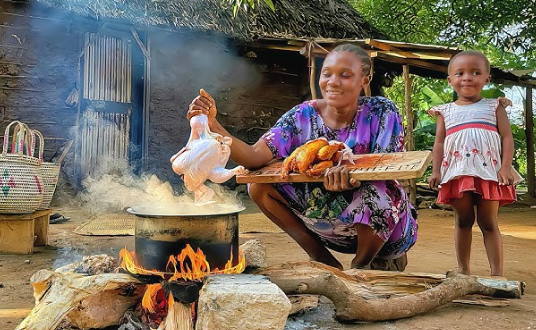
African home cooking is a vibrant tapestry of flavors, colors, and cultures that reflects the continent’s rich culinary heritage. Each region offers unique styles, ingredients, and traditions, making home-cooked meals a delightful adventure for anyone willing to explore.
1. Regional Influences in African Cooking
The diversity of Africa’s cultures significantly influences its regional cuisines. From the spicy dishes of West Africa to the aromatic stews of East Africa, the variety is astounding. For instance, in countries like Nigeria and Ghana, you might find egusi soup made from ground melon seeds, while in East Africa, ugali—a starchy side—serves as a staple accompaniment. Understanding these regional differences enriches the cooking experience and allows one to appreciate the nuances in flavors and textures.
Another crucial aspect is the local ingredients used in each region. For example, harissa and preserved lemons are commonly used in North African dishes, while yams and cassava feature prominently in West African cooking. Recognizing and sourcing these ingredients not only preserves cultural authenticity but also elevates the meal. Local markets are often treasure troves for finding fresh, regional produce.
-
- Research local cuisines to understand flavor profiles.
-
- Visit local markets to find fresh ingredients.
-
- Explore online resources for regional recipes.
-
- Take a cooking class focused on African dishes.
2. Traditional Cooking Methods
Many African dishes are prepared using traditional cooking methods that have been passed down through generations. Techniques like grilling, steaming, and slow-cooking play a crucial role in developing the depth of flavors. For instance, the South African braai (barbecue) creates delicious smoky flavors that are hard to replicate in conventional ovens.
Another fascinating method is the use of clay pots and open fires, which many cultures across Africa utilize. Cooking in clay pots retains moisture and enhances the dish’s taste. For example, Moroccan tagines are slow-cooked in these earthen pots, allowing spices to meld beautifully. Incorporating these traditional methods can lead to more authentic flavors in your cooking.
-
- Experiment with clay pots or cast iron for authentic taste.
-
- Try grilling meats over an open flame for smoky flavor.
-
- Use spices liberally; they are central to African cuisines.
-
- Practice slow-cooking for soups and stews.
3. Essential Ingredients and Spice Blends
Every African home cook should be familiar with essential ingredients and common spice blends. For instance, staples like maize, rice, and beans are fundamental in many households. In addition to these bases, specific spice blends like berbere from Ethiopia or ras el hanout from Morocco add complexity to meals. Understanding how to use these spices and where to find them is crucial for cooking authentic dishes.
Moreover, herbs play a significant role in African dishes. Fresh cilantro, parsley, and leaves from certain plants like the African basil can uplift any dish. Learning how to integrate these flavors effectively into your meals can transform your cooking and provide a genuine taste of Africa. Keep an eye out for local versions of these herbs and spices to enhance your culinary creations.
-
- Stock your pantry with essential grains and legumes.
-
- Learn to make traditional spice blends.
-
- Use fresh herbs to brighten dishes.
-
- Explore local markets for unique spices and flavors.
4. Cultural Significance of Cooking Together
Cooking in African culture is often a communal activity, emphasizing family and community ties. Meals are typically shared, and many traditional dishes require the involvement of multiple members of the family. Preparing food together fosters a sense of unity and allows the passing down of culinary knowledge from generation to generation.
- Invite family or friends to cook together.
- Share stories related to traditional recipes.
- Create a family cooking night once a week.
- Encourage younger family members to participate in cooking.
In conclusion, African home cooking is a beautiful blend of regional flavors, unique methods, essential ingredients, and cultural practices. Embracing this culinary journey not only enriches your palate but also allows you to connect with diverse cultures. Start experimenting with traditional recipes and ingredients today to bring the essence of African cuisine into your home.