
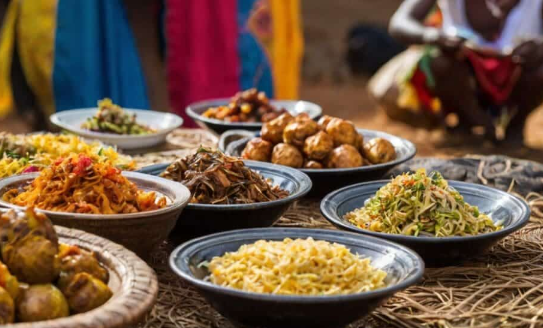
African Festival Foods is a vibrant celebration of the diverse culinary traditions across the continent, showcasing a rich tapestry of flavors, ingredients, and cooking techniques. These festivals not only bring communities together but also educate attendees about the cultural significance of various African dishes. Whether you’re familiar with African cuisine or new to it, this guide will help you explore the delicious world of African Festival Foods.
1. Discovering Traditional Dishes
Traditional African dishes are often a reflection of the region’s local ingredients, climate, and cultural practices. For instance, West African jollof rice, a beloved party dish, is prepared with ripe tomatoes, onions, and spices, often served with fried plantains or chicken. Similarly, South African braai, or barbecue, features marinated meats grilled over open flames, while injera, a sourdough flatbread, is a staple in East Africa often paired with spicy stews.
Each dish tells a story, often passed down through generations. Many families have their own unique recipes, combining ingredients like yams, cassava, and various spices that define their regional identity. Festivals are a perfect opportunity to taste these beloved foods while enjoying performances, art, and communal gatherings, highlighting the importance of heritage in these culinary practices.
-
- Explore local food markets to discover authentic ingredients.
-
- Attend cooking classes that specialize in African cuisine.
-
- Experiment at home by trying to recreate traditional recipes.
-
- Engage with community members to learn about their culinary heritage.
-
- Pair dishes with traditional beverages like hibiscus tea or palm wine.
2. The Importance of Community Engagement
African food festivals are more than just a culinary experience; they are a vibrant expression of community and cultural pride. Events often include storytelling sessions, dance performances, and workshops that allow attendees to immerse themselves in the rich cultural heritage of Africa. This engagement fosters a sense of belonging and connection among participants, making the food festival a cherished social event.
Furthermore, these festivals create platforms for local chefs and food vendors to showcase their talents. By supporting them, attendees contribute to local economies and encourage the preservation of traditional cooking methods. Many festivals also include initiatives focused on sustainability, such as using local, organic ingredients and reducing waste, which promotes an eco-friendly approach to food consumption.
-
- Participate in workshops to learn about traditional cooking techniques.
-
- Support local businesses by purchasing their products at festivals.
-
- Volunteer at events to understand more about community efforts.
-
- Encourage children to participate in cultural activities to inspire future generations.
-
- Promote awareness about the importance of sustainability in food practices.
3. Exploring New Flavors and Techniques
One of the most exciting aspects of African Festival Foods is the opportunity to explore unique flavors and cooking techniques. Each region boasts its own specialty spices and preparation methods. For example, North African dishes often include aromatic spices like cumin, coriander, and saffron, while dishes from the Horn of Africa frequently utilize berbere spice blends that add warmth and complexity. These distinctive flavors can vastly differ, creating a cooking landscape that is not only varied but deeply engaging.
Additionally, many festivals offer tastings and demonstrations that introduce attendees to innovative fusion dishes, combining traditional African recipes with global culinary influences. This blending of flavors allows for the evolution of recipes and shows how food can unite cultures. It also inspires participants to think creatively about their cooking, making them more adventurous in the kitchen.
-
- Attend tasting sessions to sample a variety of dishes.
-
- Take notes on flavor profiles and ingredient combinations you enjoy.
-
- Challenge yourself to create fusion dishes at home.
-
- Follow chefs on social media to stay updated on current trends.
-
- Experiment with spices you have never tried before.
In conclusion, African Festival Foods not only highlight the continent’s rich culinary traditions but also foster community engagement and a deeper appreciation for diverse flavors. Whether attending a festival, experimenting with recipes, or learning about different cooking techniques, there is no better time to explore African cuisine. Consider participating in a local festival or hosting your own gathering to share the joy of these incredible foods with friends and family!