
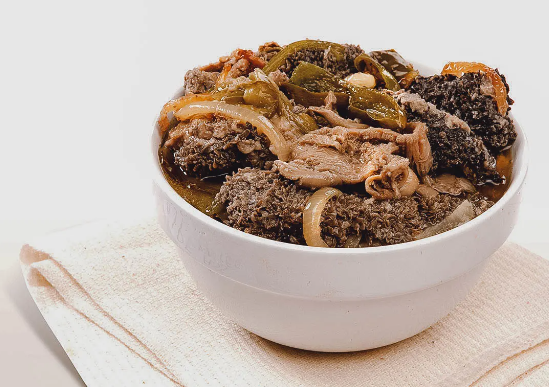
Southern African cooking traditions are a delightful tapestry woven from diverse cultures, histories, and regions. This rich culinary heritage reflects the continent’s agricultural bounty and the creative ways people have used local ingredients over generations.
1. The Influence of Indigenous Ingredients
At the heart of Southern African cooking is the use of indigenous ingredients such as maize, beans, and various vegetables. Maize, or corn, is a staple in many households, often prepared as a porridge called pap, which accompanies meat or vegetables. Dishes like boerewors — a type of sausage made from beef and pork — showcase how local ingredients meld seamlessly together, offering a taste of the region’s heritage.
Vegetables like pumpkin, sweet potatoes, and leafy greens are also integral to traditional dishes. These ingredients are often cooked in stews or used in side dishes, providing not only flavor but also essential nutrients. The cooking methods, which include boiling, steaming, and roasting, highlight the simplicity and depth of Southern African culinary practices.
-
- Experiment with making pap to understand its texture and versatility.
-
- Explore different indigenous vegetables and how they can be incorporated into meals.
-
- Consider local seasoning, such as peri-peri sauce, to add depth to dishes.
-
- Try growing your own maize or beans to appreciate their cultivation.
2. Regional Varieties and Cooking Techniques
Southern Africa boasts a range of distinct regional cuisines that reflect local climates, cultures, and histories. For instance, the coastal areas often emphasize seafood while the inland regions may rely more heavily on game meat. Each area has unique cooking techniques — from roasting meat over an open flame to slow-cooking stews that allow the flavors to meld beautifully over time.
In places like Zimbabwe, sadza, a thick porridge made from ground maize, is a beloved staple served with meats or vegetables. In contrast, South Africa celebrates its diverse cuisine with dishes like bobotie, a spiced minced meat baked with an egg topping, showcasing the fusion of European and indigenous flavors. Each of these dishes tells a story of the region’s heritage and culinary evolution.
-
- Research regional differences before trying to cook a specific dish.
-
- Incorporate traditional cooking methods such as braai (barbecue) into your gatherings.
-
- Visit local markets to source ingredients native to different Southern African regions.
-
- Host a themed dinner with dishes from various Southern African countries to explore their diversity.
3. The Role of Community and Celebration
Food in Southern Africa is deeply intertwined with community and celebration. Gatherings often revolve around food, where families and friends come together to share traditional meals. Events such as weddings, harvest festivals, and public holidays provide opportunities to showcase regional specialties and bonding experiences. Cooking is not just a task; it’s a communal act that strengthens ties and promotes cultural pride.
The celebration of food is often accompanied by songs, dances, and storytelling, which enriches the experience. Traditional ceremonies may feature unique dishes prepared for specific occasions, enhancing their significance. The act of sharing food symbolizes more than sustenance; it fosters unity, understanding, and shared heritage among people.
-
- Participate in local food festivals to experience communal cooking and celebration.
-
- Invite friends over for a traditional Southern African meal to promote cultural exchange.
-
- Learn local songs or dances that often accompany culinary traditions during celebrations.
-
- Document your cooking and family gatherings to create lasting memories.
Understanding and embracing Southern African cooking traditions can open up a world of flavors and cultural insights. Whether you’re trying out new recipes or joining community celebrations, there’s much to explore and enjoy. Let this culinary journey encourage you to experiment with local ingredients and cooking methods, fostering a deeper appreciation for these rich traditions.
“`