
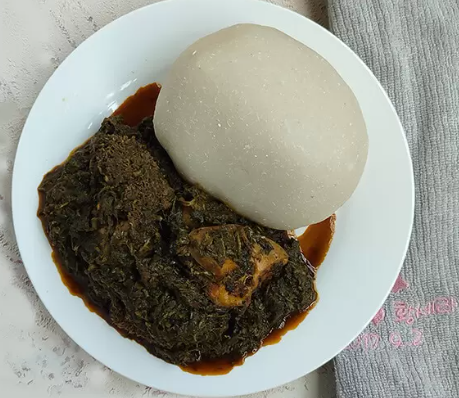
Nigerian cuisine is a vibrant tapestry of flavors and textures, with soup dishes that stand out for their richness and variety. From the savory notes of vegetable-based stews to the spicy depths of richly flavored broths, these soups are integral to the culinary identity of Nigeria.
1. Egusi Soup
Egusi soup is one of Nigeria’s most beloved dishes, made primarily from ground melon seeds. This hearty soup is often combined with leafy vegetables, meat, and sometimes fish, creating a meal that is both filling and nutritious. The preparation involves toasting the ground seeds, which releases their oils and intensifies their flavor, a hallmark of traditional Nigerian cooking.
Typically served with pounded yam, fufu, or rice, Egusi soup boasts a unique nutty taste and a thick texture. It is not uncommon to see variations where local ingredients are used, allowing families to make the dish their own. Whichever way it’s prepared, Egusi soup embodies the heart of communal dining in Nigeria.
-
- Choose high-quality, fresh melon seeds for a better taste.
-
- Use a wide variety of meat such as goat, beef, or chicken.
-
- Incorporate leafy greens like pumpkin leaves or spinach for nutrition.
-
- Experiment with spices such as red pepper and crayfish to enrich the flavor.
-
- Serve hot and enjoy with a side of pounded yam for a traditional experience.
2. Ogbono Soup
Ogbono soup, made from wild mango seeds, is celebrated for its distinctive viscosity and slightly bitter flavor. This unique soup thickens naturally when cooked, offering a rich contrast to the usual watery soups. The preparation involves grinding the seeds into a powder, which is then mixed with palm oil and various meats or fish, creating a hearty dish that is often served at social gatherings and special occasions.
One of the most appealing aspects of Ogbono soup is its versatility. You can add ingredients like vegetables, stockfish, or even smoked meat to elevate the flavor profile. The combination of textures and tastes makes Ogbono an enjoyable accompaniment to traditional swallow foods, enhancing the meal experience.
-
- Grind the Ogbono seeds to a fine powder for the best texture.
-
- Mix in palm oil before adding water to prevent clumping.
-
- Add your choice of meat and let it simmer for a deep infusion of flavors.
-
- Include seasonings like onion and pepper for added zest.
-
- Serve it with eba or semovita for a complete Nigerian meal.
3. Pepper Soup
Nigerian Pepper Soup is a spicy broth that is a staple in many homes, often enjoyed as a starter or a light meal. It is characterized by its intense heat and aromatic spices, featuring ingredients such as pepper, ginger, and various local herbs. Pepper soup can be made with different proteins, including chicken, fish, or goat, allowing for a wide variety of flavors depending on the choice of meat.
Not only is Pepper Soup delicious, but it is also believed to have medicinal properties, particularly in providing relief for colds and flu. It’s often consumed during rainy or cold seasons and is popular at social gatherings. The versatility of this dish means it can be made as thick or as light as desired, providing options for any palate.
-
- Use a mix of African pepper varieties to achieve the desired spice level.
-
- Incorporate local herbs like scent leaves for aromatic flavors.
-
- Experiment with both meat and fish options for different taste experiences.
-
- Serve hot as a soup or paired with rice for a full meal.
-
- Add lime or lemon juice to brighten the flavors before serving.
4. Nsala Soup
Nsala soup, also known as White soup, is a traditional dish from the southeastern part of Nigeria. The main characteristic of Nsala soup is its light color and distinct flavor, which comes from the use of catfish or chicken, alongside the key ingredient, yam. The yam is cooked and pounded to create a thickening agent, giving Nsala a unique texture that is both soothing and comforting.
This soup is celebrated for its simplicity and is often enjoyed during festive occasions and gatherings. What sets Nsala apart is the absence of palm oil, which allows the true flavors of the ingredients to shine through. It’s usually served with pounded yam, and its delightful aroma enchants everyone at the table.
-
- Use fresh yam for an authentic thickening agent.
-
- Choose catfish for a mild, tender protein that pairs well.
-
- Add seasoning to taste, but keep it simple to let the yam’s flavor shine.
-
- Serve immediately after preparation to enjoy the best texture and flavor.
-
- Pair with vegetables for added nutrition and color.
Nigerian soup dishes are a celebration of rich flavors and cultural heritage, inviting everyone to experience the warmth of shared meals. Whether trying your hand at making these soups or enjoying them at a local Nigerian restaurant, each dish tells a story worth savoring. Embrace the culinary adventure, and don’t hesitate to explore the various ingredients and cooking styles that make Nigerian soups truly exceptional.