
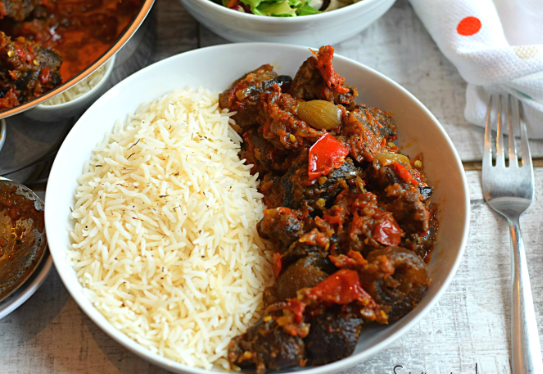
Nigerian home cooking is a vibrant fusion of flavors, colors, and traditions that reflect the country’s rich cultural diversity. Each region boasts its own unique dishes and techniques, making Nigerian cuisine both fascinating and delicious.
1. A Culinary Journey Through Nigeria’s Regions
Nigeria is home to over 250 ethnic groups, each adding its own flair to the country’s cuisine. The northern regions are known for hearty dishes like Tuwo Shinkafa (a rice pudding) and Suya (spicy meat skewers), often flavored with traditional spices like cayenne and ginger. In contrast, the southern regions highlight dishes such as Jollof Rice, a savory concoction of rice, tomatoes, and peppers, which has sparked a friendly rivalry among regions about who makes it best.
Central Nigeria brings its own unique offerings, emphasizing local grains and vegetables. One popular dish is Pounded Yam, served with a variety of rich soups such as Egusi (melon seed soup) and Ogbono (wild mango soup). These dishes are not just food; they are part of cultural rituals, celebrations, and family gatherings.
-
- Explore local markets for fresh ingredients.
-
- Learn about regional spices that enhance flavors.
-
- Try cooking a dish from each region for variety.
-
- Attend community events to learn cooking techniques from locals.
2. Essential Ingredients in Nigerian Cuisine
The heart of Nigerian cooking lies in its diverse ingredients, ranging from vegetables and proteins to spices and herbs. Staple ingredients include yams, cassava, beans, and an array of vegetables like spinach and okra. Spices like locust beans and pepper are pivotal in providing that signature Nigerian flavor. Understanding these ingredients allows home cooks to replicate authentic dishes more effectively.
Unguarded fats, such as palm oil, give many Nigerian dishes their unique taste and vibrant color. Moreover, the availability of fresh, local ingredients means that seasonal cooking is quite common. This not only makes meals flavorful but also encourages sustainability by supporting local farmers and producers.
-
- Stock your pantry with staple ingredients for easy access.
-
- Try to use fresh, local produce for the best flavors.
-
- Experiment with different proteins such as chicken, beef, and fish.
-
- Don’t shy away from incorporating spices into your daily cooking.
3. Cooking Techniques and Methods
Nigerian home cooking encompasses a variety of cooking methods that contribute to the texture and richness of the dishes. Boiling, frying, steaming, and roasting are commonly used techniques, with each serving a distinct purpose. For example, boiling is often used for preparing yams and plantains, whereas frying is popular for dishes like Akara (bean cakes) and Moi Moi (steamed bean pudding).
Another technique is “one-pot cooking,” often used in dishes like Jollof Rice, where all ingredients are cooked together, allowing flavors to meld beautifully over time. This not only promotes efficiency but also enhances the taste, making every meal a delightful experience.
-
- Master the art of one-pot cooking for easy meals.
-
- Explore various methods like boiling, frying, and steaming.
-
- Pay attention to cooking times to achieve the right textures.
-
- Experiment with slow-cooking methods for deeper flavors.
4. Celebrating Food: The Social Aspect of Cooking
In Nigeria, food is more than sustenance; it is a centerpiece for social gatherings and celebrations. Family meals, festivals, and religious occasions often feature a feast that showcases the host’s culinary skills and warmth. Sharing food signifies community and hospitality, making cooking an integral part of social bonding.
Many dishes are often prepared in large quantities, allowing family members to come together at the table. This practice teaches younger generations the value of sharing and the joy of cooking. For those looking to connect with Nigerian culture, understanding these social dynamics through cooking can be a fulfilling experience.
-
- Invite friends or family to participate in cooking sessions.
-
- Create a special meal for celebrations and holidays.
-
- Share traditional recipes to keep the culture alive.
-
- Encourage storytelling around meals to enrich the experience.
In conclusion, Nigerian home cooking offers a delightful journey into a world of rich flavors and cultural heritage. By exploring regional dishes, understanding key ingredients, mastering cooking techniques, and appreciating the social aspect of food, you can create your own authentic Nigerian meals at home. So why not grab a recipe and start cooking today?