
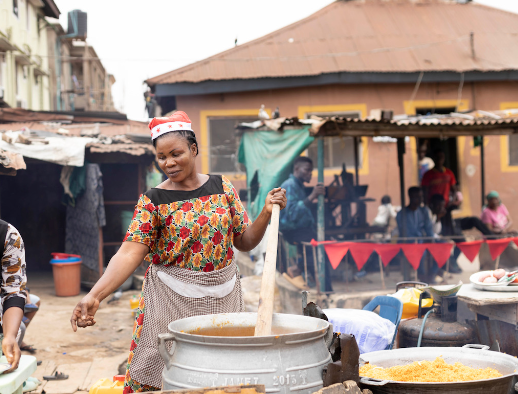
Nigeria is a country rich in culture and traditions, and its festivals are a vibrant celebration of heritage, music, and, most importantly, food. The culinary offerings during these events reflect the diverse ethnic groups and regions of Nigeria, making every festival a unique experience for both locals and visitors.
1. Popular Nigerian Festival Foods
Among the plethora of festival foods in Nigeria, Jollof rice stands out as a staple. This one-pot dish is traditionally made with rice, tomatoes, and a blend of spices, and it’s often served with fried plantains or grilled chicken. Every region boasts its own twist, with some adding vegetables or a special blend of spices to create a unique flavor profile. Jollof rice is a must-have during celebrations and gatherings, symbolizing unity and festivity.
Another popular dish is Suya, a spicy skewered meat often sold at street corners and during loud festival gatherings. Typically made with beef or chicken, the meat is marinated in a mix of ground peanuts, spices, and pepper before being grilled over open flames. Suya is not just about the taste; it’s an integral part of social interactions at festivals, often consumed with slices of onions and tomatoes.
-
- Try making your own Jollof rice by using a mix of fresh tomatoes and bell peppers.
-
- Experiment with different meats or even tofu in Suya for diverse flavors.
-
- Serve both dishes with refreshing chilled drinks like Zobo (hibiscus tea).
-
- Investigate local recipes to better understand traditional cooking methods.
2. Traditional Snacks and Side Dishes
Nigerian festivals are incomplete without a variety of snacks that tantalize the taste buds. Puff-puff, a soft and sweet deep-fried dough ball, is one of the favorites. Often served during celebrations, these treats can be flavored with spices or even infused with fruits. Puff-puff is easy to make and provides a delightful addition to any festive table.
Another beloved snack is Akara, which consists of deep-fried bean cakes. These savory cakes are made from black-eyed peas and can be served at breakfast or as a snack during festivals. Akara is packed with protein and can be enjoyed with spicy sauce or just on their own. The crispy outer layer paired with a soft interior makes them a popular choice among festival goers.
-
- Make Puff-puff with a sprinkle of cinnamon sugar for a festive twist.
-
- Serve Akara with a spicy dip to enhance its flavor.
-
- Try experimenting with flavors by adding herbs to the batter.
-
- Make a batch in advance and freeze to save time during the festival.
3. Refreshments to Accompany Festival Foods
No Nigerian festival is complete without refreshing drinks. One of the most popular choices is Zobo, made from dried hibiscus flowers. This sweet, tangy, and colorful drink is often spiced with ginger, cloves, or pineapple for a flavorful experience. Zobo not only quenches thirst but also serves as a great complement to spicy dishes.
Another traditional drink is Kunu, a fermented beverage made from grains such as millet, maize, or sorghum. It’s slightly sweet and has a milky consistency, providing an excellent contrast to savory meals. Kunu is often enjoyed chilled and is known for its nutritional benefits, making it a favorite choice during festivals.
-
- Serve Zobo chilled with slices of fruit for added flavor.
-
- Experiment with Kunu by adding different grains for unique tastes.
-
- Prepare these drinks in large batches to accommodate guests.
-
- Pair Zobo and Kunu with spiced meat for a delightful contrast.
4. Regional Specialties to Explore
Nigeria’s vast geography means that regional dishes play a critical role in festival celebrations. In the southwestern region, for example, Efo Riro—a rich vegetable soup made with spinach-like leaves—is a popular choice. The soup is often served with pounded yam or rice and brings together an array of flavors from spices and meats. Efo Riro is especially favored during weddings and significant gatherings, highlighting the region’s appreciation of fresh produce.
In northern Nigeria, you might encounter dishes like Tuwo Shinkafa, a rice pudding served with a variety of soups and sauces. This dish is often accompanied by rich, spicy stews, making it a hearty option that sustains all-day celebrations. The contrast of the soft Tuwo and the robust soups showcases the culinary diversity that makes Nigerian festivals so unique.
-
- Try cooking Efo Riro using local vegetables for an authentic experience.
-
- Visit local markets to source fresh ingredients for your festival meals.
-
- Consider fusion recipes by combining regional specialties for creative meals.
-
- Explore different soups to pair with Tuwo Shinkafa for variety.
5. Preparing for a Festival: Tips and Tricks
Preparing for a Nigerian festival can be a delightful yet daunting task, especially when it comes to food. One of the key tips is to plan your menu well in advance. This allows you to gather all necessary ingredients, ensuring you don’t miss out on any authentic flavors. Incorporating family recipes can also enhance the celebratory spirit, creating a sense of togetherness.
It’s essential to involve family and friends in the cooking process, turning meal preparation into a fun social activity. Shared cooking sessions create an opportunity to pass down culinary traditions and create lasting memories, making the festival experience all the more special.
-
- Draft a menu ahead of time that reflects traditional festival foods.
-
- Assign cooking tasks to family members to streamline preparation.
-
- Use local spices and ingredients for authentic flavors.
-
- Plan to serve food in large platters for communal enjoyment.
Nigerian festival foods are not just meals; they are experiences that bring people together in celebration. By exploring these dishes and drinks, you can immerse yourself in the vibrant culture of Nigeria and add a touch of authenticity to your next festival gathering. Embrace the flavors, participate in the traditions, and enjoy the culinary journey!