
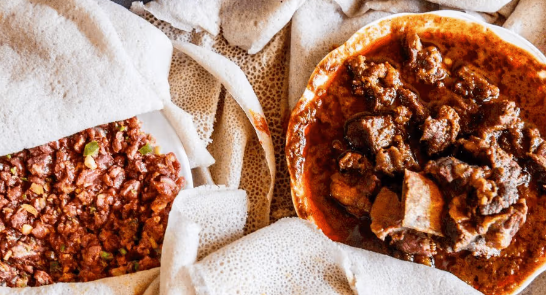
Ethiopian cuisine is an aromatic delight known for its rich flavors and unique spices that tantalize the taste buds. Dishes are often served on injera, a fermented flatbread, and accompanied by various stews and salads. Understanding the spices used in these dishes can enhance your culinary skills and appreciation for this incredible cuisine.
1. Berbere: The Heart of Ethiopian Spice
Berbere is a quintessential Ethiopian spice blend that brings warmth and complexity to many traditional dishes. Made from a mix of chili peppers, garlic, ginger, and various spices, it’s renowned for its vibrant red color and intense flavor. Dishes like Doro Wat, a spicy chicken stew, and Shiro, a chickpea stew, rely heavily on berbere to achieve their signature taste.
To prepare a homemade version, you can customize the spice levels by adjusting the amount of chili peppers you use. The spices in berbere are often toasted first to enhance their flavors and then ground to a fine powder. This blend not only infuses dishes with heat but also offers various health benefits, including anti-inflammatory properties.
-
- Use fresh spices for the best flavor.
-
- Toast spices before blending to awaken their flavors.
-
- Experiment with different proportions to find your ideal blend.
-
- Store in an airtight container away from light to preserve freshness.
2. Mitmita: A Fiery Ethiopian Spice Mix
Mitmita is another essential spice blend in Ethiopian cuisine, known for its bold heat. It typically includes ground chili peppers, cardamom, black pepper, and salt. This fiery mix is often used to season raw meats served in dishes like kitfo, which is minced raw beef, and is also sprinkled on various other preparations for an extra kick.
Mitmita can be highly addictive for those who enjoy spicy foods. The balance of flavors allows it to enhance the richness of the dishes without overpowering them. If you’re creating a dish and want to incorporate mitmita, remember that a little goes a long way, especially for those who are not accustomed to extremely spicy food.
-
- Start with a small amount when seasoning a dish.
-
- Pair with milder ingredients to balance the heat.
-
- Store in a cool, dark place for longevity.
-
- Consider making a milder version if cooking for guests.
3. Togwa: The Fermented Flour Spice
Togwa is a unique spice dish made from fermented flour mixed with water and spices, often served as a complementary dish alongside stews. This blend has a slightly sour taste from the fermentation process, which pairs beautifully with the rich flavors of spiced stews. In Ethiopia, it’s often served during communal meals, reflecting the nation’s culture of sharing and togetherness.
Creating togwah at home requires patience, as the fermentation process can take several days. However, the end results are rewarding—a comforting, slightly tangy side dish that adds depth to any meal. The health benefits of fermentation include improved digestion and nutrient absorption, making it a great addition to your diet.
-
- Use whole grain flour for added nutrients.
-
- Experiment with various spices to mingle flavor profiles.
-
- Ensure a warm, ventilated area for effective fermentation.
-
- Serve togwah with different stews to discover your favorite pairings.
4. Garlic and Ginger: The Aromatic Duo
Garlic and ginger are staple ingredients in Ethiopian cooking, often used in combination to create a base for many dishes. They add not just flavor but also aroma, enticing diners before they even take a bite. In stews like Doro Wat and various veggie dishes, minced garlic and ginger enhance the dishes’ overall profile and complexity.
This aromatic duo is not only flavorful but also loaded with health benefits, including antioxidant properties and anti-inflammatory effects. When cooking, adding these ingredients early in the process (starting with sautéing) allows their flavors to develop and permeate the other ingredients, ensuring a rich final dish.
-
- Peel and chop garlic and ginger fresh for maximum flavor.
-
- Sauté them together for enhanced aroma and depth.
-
- Consider blending them into a paste for easy incorporation.
-
- Pair with lemon juice to add brightness to dishes.
In conclusion, exploring Ethiopian spice dishes opens a world of rich flavors that are sure to enhance your culinary repertoire. From the vibrant berbere to the soothing togwah, there’s much to discover and enjoy. Don’t hesitate to experiment with these spices in your cooking—your palate will thank you!