
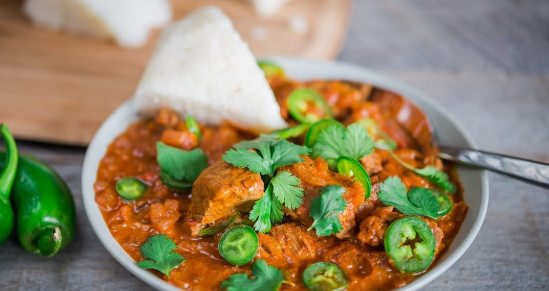
Kenyan home cooking is a delightful blend of flavors, traditions, and culinary techniques that reflect the country’s rich cultural heritage. From family recipes passed down through generations to unique regional dishes, there is much to explore. Let’s delve into what makes Kenyan cuisine so special and how you can embrace it in your own kitchen.
1. The Staples of Kenyan Cuisine
In Kenyan home cooking, staple ingredients form the backbone of most meals. These staples include ugali, a stiff porridge made from maize flour, and sukuma wiki, which are sautéed greens, typically collard greens. Ugali is often served with various meats, vegetables, or stews, making it a versatile dish that can accommodate many flavor profiles.
Understanding these staples allows you to appreciate the depth of Kenyan cuisine. For instance, ugali is not merely a side dish; it is an integral part of communal meals, often served as the main carbohydrate. Sukuma wiki is usually enjoyed in a variety of ways, adding both flavor and nutritional value to any meal.
-
- Try making ugali by boiling water and slowly adding maize flour, stirring until it reaches a thick, dough-like consistency.
-
- Experiment with different greens for your sukuma wiki, such as kale or spinach.
-
- Pair ugali with different proteins like grilled meat, fried fish, or lentil stew.
-
- Practice balancing flavors using local spices such as garlic, ginger, and onion in your cooking.
2. Popular Kenyan Dishes to Try
Kenyan cuisine features a wealth of distinct dishes, each with its own unique blend of flavors. One iconic dish is Nyama Choma, which consists of grilled meat, usually goat or beef, marinated and cooked over an open flame. This dish is often served alongside kachumbari, a fresh tomato and onion salsa that adds a refreshing crunch.
Another delightful dish is Pilau, a spiced rice dish often prepared for festive occasions. Pilau features ingredients like garlic, ginger, cumin, and cardamom, resulting in a fragrant meal that can include meats or vegetables. Exploring these dishes will give you a taste of the communal spirit that is central to Kenyan home cooking.
-
- For Nyama Choma, marinate your meat with spices and lemon juice a few hours before grilling.
-
- Serve grilled meat with kachumbari to enhance the flavors.
-
- Experiment with different types of rice for your Pilau, such as basmati or jasmine.
-
- Practice layering flavors by adding spices gradually while cooking.
3. The Importance of Sharing and Family Meals
In Kenyan culture, sharing meals is a vital part of social interaction. Families often gather around a communal plate, reflecting a sense of belonging and togetherness. This practice not only strengthens familial bonds but also creates an inviting atmosphere for guests, where everyone shares stories and laughter over delicious food.
This tradition extends to celebrations and gatherings, where elaborate meals are prepared to honor relatives and friends. By embracing this aspect of Kenyan cooking, you can foster connections and create unforgettable memories around the dining table.
-
- Host a Kenyan-themed dinner with traditional dishes to engage family and friends.
-
- Encourage everyone to contribute a dish, showcasing various cooking styles.
-
- Set up a communal dining space, emphasizing the value of sharing and togetherness.
-
- Involve children in the preparation to teach them about family traditions and recipes.
Kenyan home cooking is a heartfelt blend of rich flavors, traditions, and communal experiences. By exploring its staples, popular dishes, and the importance of shared meals, you can better appreciate this vibrant cuisine in your home. So, why not start experimenting with these recipes today and bring a taste of Kenya to your kitchen?