
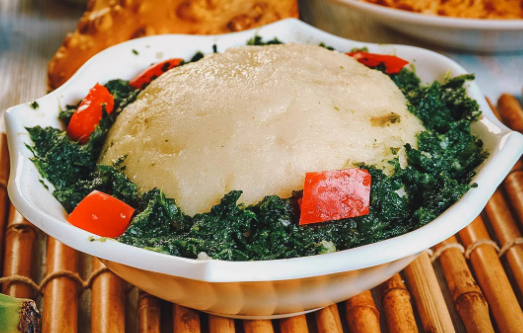
Kenyan cuisine is a vibrant tapestry of flavors and traditions, reflecting the rich cultural heritage of the nation. With a variety of ingredients and cooking techniques, Kenyan food is not only hearty but also deeply satisfying. Let’s explore some unique recipes that showcase the deliciousness of Kenyan dishes and how you can recreate them at home.
1. Ugali – The Heart of Kenyan Meals
Ugali is a staple in Kenyan households, made primarily from maize flour and water. This dish is fundamental to many meals, serving as an accompaniment to stews, vegetables, or grilled meat. To prepare Ugali, you’ll need to boil water and gradually stir in the maize flour until it reaches a firm, dough-like consistency. This dish is often served in a communal style, bringing families together at mealtime.
The texture of Ugali can be adjusted by altering the water-to-flour ratio, making it softer or firmer based on personal preference. It is typically enjoyed by tearing off a piece and using it to scoop up other dishes, making it perfect for bonding over a shared meal. In coastal regions, you may find variations that include cassava flour, introducing different flavors and textures.
-
- Use finely ground maize flour for the best texture.
-
- Add a pinch of salt for flavor.
-
- Cook on medium heat to avoid burning.
-
- Keep the dough covered to retain warmth.
-
- Pair with traditional dishes like sukuma wiki or nyama choma.
2. Nyama Choma – Grilled Meat Perfection
Nyama Choma, translating to “grilled meat”, is a favorite among Kenyans, whether at street-side joints or in backyards during family gatherings. Typically made with beef, goat, or chicken, the meat is marinated with a mix of spices, and then grilled to smoky perfection. This dish embodies the essence of Kenyan hospitality and is often served with side accompaniments like ugali, kachumbari, or fried potatoes.
The marinating process is crucial for infusing flavor. Common ingredients include garlic, ginger, lemon juice, and a variety of local spices. Once marinated, the meat is skewered and grilled over an open flame, allowing the flavors to meld beautifully into each juicy bite. In some regions, hot chili sauce or a tangy sauce may be drizzled over the top for added zest.
-
- Marinate meat for at least 2 hours for maximum flavor.
-
- Use charcoal for that authentic smoky flavor when grilling.
-
- Baste with oil or marinade during grilling to retain moisture.
-
- Serve with fresh kachumbari for a refreshing contrast.
-
- Experiment with different cuts of meat for varied textures.
3. Sukuma Wiki – A Nutritious Side Dish
Sukuma Wiki literally means “to push the week” in Swahili, reflecting its role as a staple dish that stretches meals throughout the week. This nutritious kale dish is easy to prepare and can be complemented with a variety of spices and ingredients, making it versatile. Typically, sukuma wiki is sautéed with onions, tomatoes, and spices, delivering a flavorful experience packed with vitamins.
To prepare Sukuma Wiki, start by finely chopping the kale, and sauté the onions until golden brown. Add diced tomatoes and allow to simmer, then introduce the kale, stirring until it wilts. The final dish is vibrant and can be served alongside Ugali or with any protein dish for a well-rounded meal. Its health benefits make it a popular choice, offering a rich source of iron and vitamins A and C.
-
- Use fresh kale for the best flavor and nutrition.
-
- Add a splash of lemon juice for added zest.
-
- Include chili or garlic for a more robust flavor.
-
- Cook until just wilted, preserving nutrients.
-
- Pair with any protein to make a complete meal.
4. Samosas – A Tasty Snack or Appetizer
Samosas have become a beloved snack across Kenya, traditionally filled with spiced potatoes and peas or minced meat. These crispy pastries can be served as appetizers or enjoyed on their own as a delightful treat. The dough is rolled thin, filled, and then deep-fried until golden brown, creating a satisfying crunch. Samosas are frequently paired with spicy sauces or chutneys for dipping.
Variations of samosas are abundant; you can find them with different fillings such as lentils or vegetables, catering to various dietary preferences. The key to a great samosa lies in the seasoning of the filling; ensure it’s well-spiced and flavorful for the best experience. Making samosas can also be a fun group activity, with friends and family enjoying the preparation together.
-
- Use chilled water for the dough to achieve a flaky texture.
-
- Pre-cook your filling for best results.
-
- Seal edges well to prevent leaking during frying.
-
- Fry in small batches to maintain oil temperature.
-
- Experiment with different fillings to keep it interesting.
Kenyan cuisine reflects a rich cultural heritage filled with flavors and traditions. Exploring these recipes not only allows you to savor the tastes of Kenya but also brings a piece of this vibrant culture into your kitchen. So why not gather your ingredients and start cooking? It’s a delicious journey waiting to be experienced!
“`