
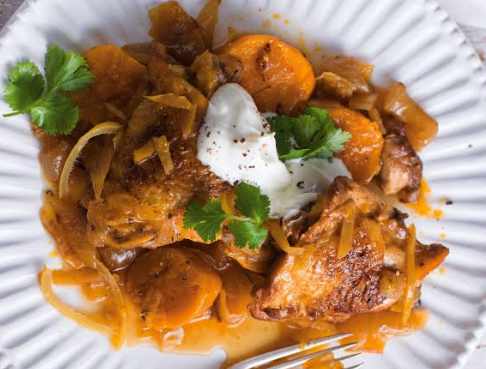
African cuisine is rich and diverse, reflecting the continent’s myriad cultures and traditions. Among these culinary treasures, slow-cooked dishes stand out for their depth of flavor and comforting nature.
1. A Taste of Traditional Dishes
Many African countries are renowned for their traditional slow-cooked dishes, which often utilize local ingredients and spices. A prime example is Moroccan tagine, a stew named after the earthenware pot it’s cooked in. This dish usually features meats such as lamb or chicken, combined with vegetables, dried fruits, and a fragrant blend of spices like cumin and saffron. The slow cooking process not only infuses the ingredients with flavor but also tenderizes tougher cuts of meat.
Another staple is the South African potjiekos, a traditional stew prepared in a cast-iron pot over an open flame. It often includes a mix of meat, vegetables, and spices, layered carefully and cooked without stirring. This method allows ingredients to cook evenly and meld their flavors harmoniously. Potjie recipes vary from one region to another, showcasing the local culture and available ingredients.
-
- Explore regional variations of slow-cooked dishes across Africa.
-
- Experiment with spice combinations to create unique flavors.
-
- Try cooking in traditional containers like tagines or potjies for authenticity.
-
- Use locally sourced ingredients for the best taste and freshness.
2. The Health Benefits of Slow Cooking
Slow cooking not only enhances flavors but also retains the nutritional value of the ingredients. Many African dishes feature whole foods like grains, legumes, and vegetables, making them nutritious options. The slow cooking process helps break down tough fibers and releases essential nutrients, making them easier for the body to absorb. For example, beans and lentils become more digestible when cooked slowly, greatly benefiting those with sensitive stomachs.
Moreover, the use of healthy fats, such as olive oil or nut oils, is common in slow-cooked recipes. This contributes to heart health while enhancing the overall flavor profile of the dishes. Preparing meals this way can also lower the use of excessive salt and preservatives typically found in quicker cooking methods, making these dishes healthier alternatives.
-
- Incorporate a variety of vegetables for greater nutrient diversity.
-
- Choose lean cuts of meat or plant-based proteins to reduce fat content.
-
- Limit added sugars and opt for natural sweeteners when needed.
-
- Consider adding herbs and spices instead of salt for flavor enhancement.
3. Tips for Perfecting Slow-Cooked African Dishes
Creating the perfect slow-cooked African dish requires attention to detail and some practice. A key tip is to layer ingredients properly; place denser items like root vegetables at the bottom of your pot and lighter ingredients on top. This ensures even cooking and prevents anything from becoming overcooked and mushy. Additionally, pre-browning meats before adding them to the slow cooker can enhance the depth of flavor, imparting a rich, savory quality to the stew.
Another essential tip is to control the cooking temperature. Cooking on low heat for an extended period usually allows flavors to develop fully and textures to soften. Alternatively, a higher temperature can be employed to reduce cooking time, but care must be taken to avoid scorching the ingredients. Check for doneness periodically and adjust the liquid levels if needed to keep the dish moist.
-
- Layer ingredients in your slow cooker to ensure even cooking.
-
- Pre-brown meats for added flavor before slow cooking.
-
- Stick to low heat for best results with traditional recipes.
-
- Add liquids gradually to prevent over-saturation.
Slow-cooked African dishes offer a delightful way to explore the rich flavors and health benefits of this continent’s cuisine. Whether trying your hand at tagines, potjiekos, or any other slow-cooked recipes, take time to embrace the cooking tradition and enjoy the social experience it often brings. So gather your friends or family, share stories, and enjoy the warmth of African hospitality around the dining table.