
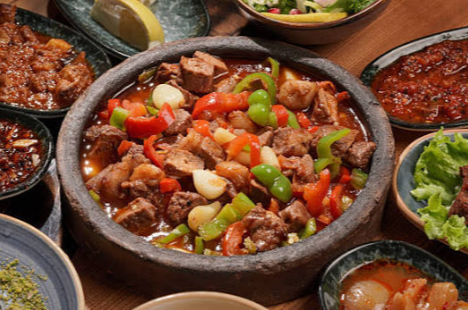
African clay pot dishes are not just culinary products but a deep reflection of the continent’s diverse cultures and traditions. These pots, crafted from natural clay, have been used for centuries to prepare and serve some of the most beloved African recipes. Exploring this unique cooking method can deepen your appreciation for both the food and the history behind it.
1. The Significance of Clay Pots in African Cooking
Clay pots, known as “tagines” in North Africa and “potjies” in Southern Africa, play a critical role in various African cuisines. They are valued for their ability to evenly distribute heat, which ensures that food cooks thoroughly and retains moisture. The porous nature of clay allows for the gradual infusion of flavors, making dishes rich in taste and aroma.
Besides their practical benefits, clay pots are steeped in cultural significance. Many communities view the crafting and use of these pots as a tradition passed down through generations. For instance, in the Sahel region, women often gather to mold and decorate these pots, turning cooking into a communal activity that strengthens bonds and preserves heritage.
-
- Research local clay pot recipes to connect with your culture.
-
- Consider attending a pottery workshop to learn about traditional crafting techniques.
-
- Use clay pots to enhance the flavors of stews and slow-cooked dishes.
-
- Always season new clay pots according to traditional methods to ensure durability.
2. Popular African Clay Pot Dishes You Should Try
Many regions in Africa boast signature dishes cooked in clay pots, each showcasing local ingredients and traditions. For instance, “bunny chow,” originating from South Africa, features a hollowed-out loaf filled with spicy curry, served up in a clay pot for easy handling. Similarly, “moroho,” a Swazi dish made from local spinach, is often prepared in a clay pot, allowing the flavors to meld beautifully.
- Gather ingredients locally to create an authentic version of these dishes.
- Experiment with spice blends to tailor flavors to your taste.
- Try cooking various meats in clay pots to appreciate how flavors change.
- Pair your dish with traditional sides such as sadza or injera for a complete meal.
3. Cooking Techniques and Care for Clay Pots
Cooking with clay pots requires some specific techniques to achieve the best results. It’s essential to gradually heat clay pots to avoid cracking. Start by placing the pot on a low heat and gradually increase it to your desired cooking temperature. This allows the clay to expand evenly, ensuring durability and even cooking.
- Always pre-soak your clay pots before the first use to help prevent cracking.
- Never place a hot clay pot in cold water, as it may break.
- Store clay pots in a cool, dry place to avoid moisture retention.
- Consider using a lid during cooking to lock in flavors and moisture.
Exploring African clay pot dishes opens a window into the rich tapestry of culinary heritage. Whether you’re trying your hand at traditional recipes or delving into the maintenance of clay pots, each experience can enhance your cooking journey. Don’t hesitate to research and experiment with these techniques and flavors to bring a piece of African culture into your kitchen.
“`