
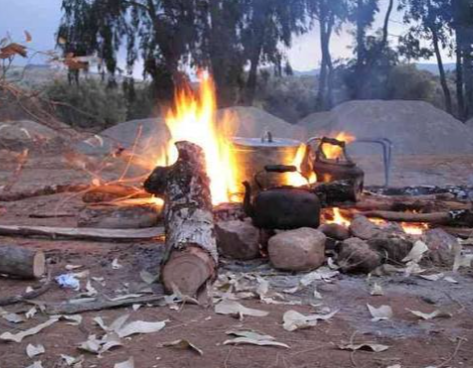
African fire-cooked foods are a culinary delight, reflecting the rich cultural heritage and diverse traditions across the continent. From smoky flavors to innovative cooking methods, these dishes tell stories rooted in ancient practices and modern flavors.
1. Embracing Traditional Fire Cooking Techniques
Fire cooking in Africa is not just a method of preparing food; it is a cultural ritual that connects generations. Traditional techniques include open flame grilling, smoking, and pit cooking, which impart distinct flavors that are difficult to replicate using modern cooking appliances. For instance, cooking meat over open wood flames gives a unique char and smokiness, enhancing its natural taste.
Each region in Africa has its own fire cooking methods. In West Africa, for example, the use of clay ovens, or “tandoors,” is common for baking bread and cooking stews, while in Southern Africa, the traditional “braai” (barbecue) is celebrated not just for its food but also for its social aspect, bringing families and friends together around a fire.
-
- Research local fire cooking techniques used in various African cultures.
-
- Try using different wood types for unique flavor profiles in your dishes.
-
- Experiment with clay or traditional ovens for authentic cooking experiences.
-
- Make a fire pit in your backyard for safe outdoor cooking.
2. Popular African Fire-Cooked Dishes
There is a vast array of iconic dishes that showcase the diversity of African fire-cooked foods. One popular example is “braai” in South Africa, which often features boerewors (a type of sausage) and marinated meats grilled to perfection over charcoal. Another example is the well-loved “nyama choma” from East Africa, where various meats are grilled over a fire, typically served with a side of ugali or vegetables.
Other notable dishes include “suya,” a spicy skewered meat delicacy from Nigeria, and “kebabs” found in many North African countries, often seasoned with rich spices and grilled over an open flame. Each dish not only brings flavors that excite the palate but also showcases regional spices and ingredients unique to its origin.
-
- Explore recipes for popular fire-cooked dishes to try at home.
-
- Attend cultural festivals to experience traditional fire-cooked foods.
-
- Pair fire-cooked dishes with local beverages for enhanced flavors.
-
- Learn about the spices commonly used in African cooking to elevate your dishes.
3. The Health Benefits of Fire-Cooked Foods
Cooking over an open flame can offer various health benefits, as traditional methods often rely on fresh, unprocessed ingredients that enhance a meal’s nutritional value. Fire-cooked foods typically retain more nutrients compared to those prepared using excessive oils or artificial flavorings. For instance, grilled vegetables maintain their vitamin content better than those that are heavily fried.
Moreover, the methods used in fire cooking often promote a lower fat content, since as food cooks, drippings fall away. With techniques such as smoking or grilling, you can enjoy rich flavors while keeping meals wholesome. Incorporating more fire-cooked foods into your diet can stimulate your overall well-being by encouraging a preference for fresh ingredients.
-
- Consider trying fire-cooked options for healthier meal choices.
-
- Incorporate more vegetables into your fire-cooked meals for added nutrients.
-
- Limit the use of oils and fats when preparing fire-cooked dishes.
-
- Stay hydrated while cooking outdoors, as fire cooking can be taxing.
In conclusion, exploring African fire-cooked foods offers a wonderful blend of tradition, culture, and health benefits. Whether you choose to recreate these dishes at home or seek them out in restaurants, embracing this culinary art form will enrich your dining experience. So why not gather some friends, fire up the grill, and try your hand at these flavorful dishes?
“`