
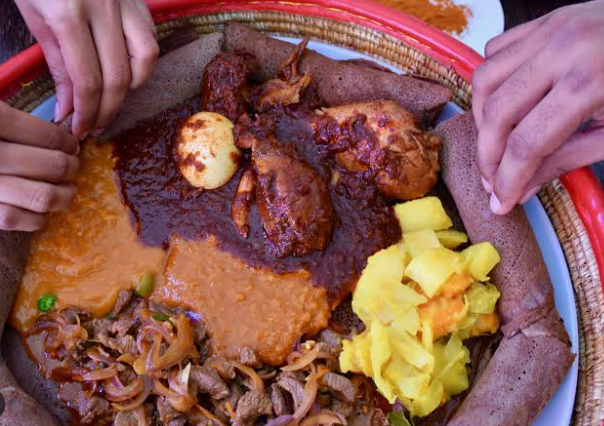
Africa is a continent rich in diversity, not just in its cultures but also in its culinary traditions. Each region boasts its own flavors and ingredients, creating a vibrant tapestry of tastes that reflect the history and heritage of its people.
1. West African Cuisine
West Africa is known for its bold flavors and hearty dishes. Staples such as rice, yams, and cassava make up the foundation of many meals. One popular dish is Jollof rice, a one-pot meal cooked with tomatoes, onions, and spices, often served at gatherings and celebrations. This dish has numerous variations across countries, with each region putting its own twist on the recipe.
Another famous dish is fufu, a starchy side made from various ingredients like cassava, yams, or plantains, pounded into a smooth, dough-like consistency. Fufu is usually served with rich, flavorful soups or stews, making it a perfect companion to many West African meals. The communal aspect of eating, where family and friends share large platters, adds to the rich cultural experience.
-
- Experiment with different rice varieties for Jollof.
-
- Pair fufu with different types of soups to explore textures.
-
- Visit local West African restaurants to experience authentic flavors.
-
- Join a cooking class to learn how to make traditional dishes.
2. Eastern African Delicacies
In Eastern Africa, food reflects the region’s cultural diversity and geography. A popular staple is ugali, a maize porridge that is served alongside various stews and vegetables, forming a primary part of many meals in countries like Kenya and Tanzania. Ugali is not just food; it is a social experience, often eaten with hands and shared among families.
Another Eastern African dish that stands out is injera, a spongy flatbread made from teff flour, primarily known in Ethiopia. It’s not only a staple but also serves as a plate for various dishes, often accompanied by lentils and vegetables. The unique sour taste of injera adds depth to meals, making it a distinct culinary item in this region.
-
- Try making ugali using different types of flour for taste variations.
-
- Learn about the fermentation process for making injera.
-
- Share meals in a communal way to embrace the local culture.
-
- Explore Eastern African markets for unique spices and ingredients.
3. Southern African Flavors
Southern Africa offers a unique blend of indigenous and colonial influences, resulting in a fascinating culinary landscape. One of the standout dishes is braai, a barbecue tradition in countries like South Africa and Namibia. It often involves grilling various meats, from boerewors (sausage) to steaks, usually accompanied by sides like pap (maize porridge) and chakalaka (a spicy vegetable relish).
The region is also known for its biltong, a form of dried, cured meat that is perfect for snacking. Biltong is flavored with a variety of spices and is a beloved treat not just in Southern Africa, but also internationally. The preparation process reflects traditional methods that highlight the importance of preservation and flavor in local cuisine.
-
- Host a braai at home to experience Southern African flavors.
-
- Try making biltong with different meats and spice mixes.
-
- Explore local butchers for authentic ingredients.
-
- Attend Southern African food festivals to discover more dishes.
4. North African Spices and Sweets
North Africa is rich in flavors, heavily influenced by spices such as cumin, coriander, and saffron. A beloved dish from this region is couscous, often steamed and served with rich stews of lamb, vegetables, and chickpeas. Couscous is not just a meal but also a symbol of hospitality, often shared among guests in a communal setting.
Additionally, sweets from North Africa, like baklava and maamoul, showcase the use of nuts and honey, creating intricate flavors that tell stories of trade and history. These desserts are often enjoyed during celebrations and are integral to the region’s cultural identity.
-
- Experiment with different spices when making couscous at home.
-
- Try baking traditional sweets to appreciate local baking techniques.
-
- Visit spice markets to discover new flavors for your dishes.
-
- Learn the history behind each dish to deepen your culinary experience.
In conclusion, African culinary traditions offer a rich exploration of flavors, textures, and cultural practices. Whether you’re trying your hand at cooking these dishes at home or visiting local restaurants, embracing African foods is a delightful way to connect with the continent’s diverse cultures. So why not start today and add a touch of Africa to your dinner table?