
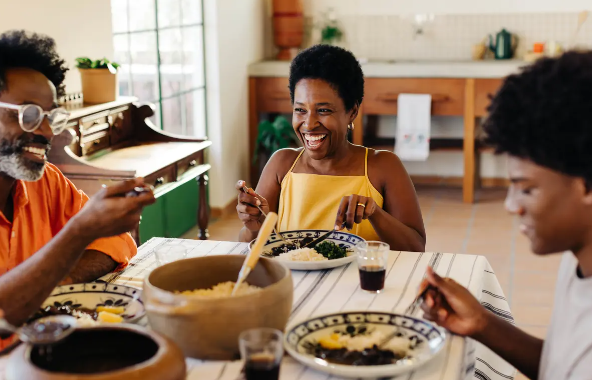
The African shared meal culture is a rich tapestry of traditions, flavors, and communal experiences that bind families and communities together. From joyful gatherings to ceremonial feasts, these shared meals symbolize the core values of hospitality, unity, and respect.
1. The Significance of Shared Meals
Shared meals in African cultures serve more than just the purpose of nourishment; they are opportunities for social bonding and cultural expression. Families and friends gather around a communal platter, which often includes staple foods like fufu, injera, or sadza, accompanied by a variety of meats and vegetables. This not only fosters a sense of belonging but also allows for the exchange of stories, traditions, and laughter, enriching the communal experience.
During significant life events—such as marriages, births, or funerals—shared meals take on an even deeper meaning. These gatherings serve as formalize community support and solidarity, reinforcing social bonds and collective identity. For example, in many West African cultures, it is customary to serve jollof rice during celebratory events, showcasing the importance and shared pride in culinary heritage.
-
- Encourage everyone to participate in meal preparation.
-
- Utilize seasonal ingredients to enhance flavors and freshness.
-
- Have engaging conversations to strengthen social ties.
-
- Share stories or anecdotes that highlight cultural heritage.
2. Traditional Dishes and Their Cultural Contexts
The variety of traditional dishes in African shared meal culture reflects the continent’s vast geography and cultural diversity. Each region boasts its unique staples: while East Africa may favor ugali with greens, West Africa might highlight egusi soup with pounded yam. These dishes are often steeped in history and serve as symbols of pride among different ethnic groups.
In addition to the main dishes, side items, and condiments play an essential role. For example, South Africans may serve chakalaka, a spicy vegetable relish, as a vibrant complement to braai (barbecued meat). These accompanying foods not only add flavor but also encourage sharing and sampling, further enriching the communal dining experience.
-
- Research regional recipes to appreciate the culinary diversity.
-
- Try preparing traditional dishes as a family activity.
-
- Host a potluck where each guest brings a dish from a different region.
-
- Use local ingredients to make meals more authentic.
3. The Role of Hospitality in Shared Meals
Hospitality is a cornerstone of the African shared meal culture. Inviting someone to share a meal goes beyond mere politeness; it signifies respect, friendship, and an open heart. Hosts often go to great lengths to provide the best food and create a warm atmosphere for their guests. This generosity reflects the community’s values of togetherness and unity, fostering an inclusive environment where everyone feels welcome.
The style of serving can also vary greatly. In many cultures, guests are honored first, with the host serving them directly from the communal platter. This practice not only emphasizes the guests’ status but also reinforces the idea that sharing meals is a sacred, communal act of goodwill. Such practices encourage mutual respect and appreciation among different generations and cultures.
-
- Always greet guests warmly and invite them to feel at home.
-
- Ensure that everyone is served before you begin eating.
-
- Prepare additional dishes for unexpected guests.
-
- Engage in conversations during the meal to create a friendly atmosphere.
4. Seasonal and Ceremonial Dishes
Seasonality plays a crucial role in African shared meal culture, with certain dishes being prepared for specific occasions or seasons. For instance, during harvest time, communities often come together to celebrate with dishes made from fresh, locally-sourced produce. Foods like maize, pumpkin, and leafy greens become central to these festivities, showcasing not only the bounty of the land but also community resilience and cooperation.
Ceremonial dishes also hold significant cultural importance. For example, during religious holidays or rites of passage, specific foods like roast lamb or traditional bread are often prepared. These dishes are imbued with deeper meanings, representing blessings, continuity, and communal history. Engaging in these traditions allows individuals to connect with their roots and share their heritage with the younger generation.
-
- Plan meals around seasonal ingredients to celebrate the harvest.
-
- Involve the community in preparing ceremonial dishes.
-
- Document recipes to pass down to future generations.
-
- Encourage storytelling during ceremonial meals to deepen connections.
In conclusion, the African shared meal culture is a vibrant expression of unity, tradition, and hospitality. By embracing these practices, we not only enrich our dining experiences but also foster deeper connections with our families and communities. Consider exploring your own shared meal traditions or those from other cultures as a way to celebrate diversity and togetherness.