
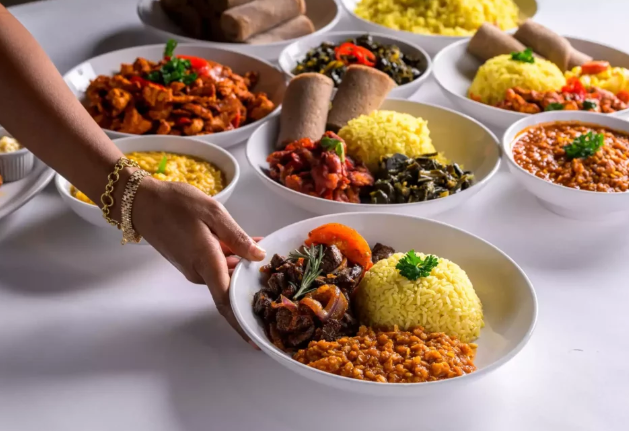
The African food experience offers a culinary journey that showcases rich flavors, diverse ingredients, and unique cooking methods across the continent. Each region boasts its own specialties, rooted in history and culture, creating a feast for the senses.
1. The Diversity of African Cuisines
Africa is home to over 50 countries, each with distinct culinary traditions. From the spicy stews of North Africa to the hearty dishes of West Africa, the diversity is astounding. For instance, Moroccan cuisine often features saffron and preserved lemons, while West African meals may include yams, cassava, and rice, often served with rich sauces made from peanuts or tomatoes.
-
- Explore recipes from different African countries to appreciate their unique flavors.
-
- Visit local African restaurants to experience authentic dishes firsthand.
-
- Attend food festivals to learn about regional specialties and culinary practices.
-
- Engage with local chefs or home cooks to understand traditional cooking techniques.
2. Traditional Ingredients and Flavors
Each African dish is crafted from a symphony of local ingredients that are often fresh and organic. Staples like maize, millet, and sorghum form the foundation of many meals, while spices such as berbere, harissa, and curry enhance flavors. For example, Ethiopian cuisine is famous for its use of spices, which create complex flavors in dishes like injera and doro wat.
Fruits and vegetables also play a vital role in the African diet. Tropical fruits such as mangoes, papayas, and bananas not only provide essential vitamins but are also featured in various dishes and juices. The reliance on seasonal and locally sourced ingredients ensures a fresh and nutrient-rich dining experience full of vibrant colors and flavors.
-
- Buy fresh ingredients from local markets to ensure quality and taste.
-
- Experiment with spices and herbs to recreate traditional African flavors at home.
-
- Try incorporating indigenous fruits and vegetables into your meals.
-
- Learn about the health benefits of different African staples for a balanced diet.
3. Cooking Methods and Techniques
The cooking methods used in African cuisine reflect both tradition and innovation. Common techniques include grilling, steaming, and slow cooking, with open fire and clay pots often utilized in more rural settings. For instance, grilling is popular in many regions, where kebabs or fish are marinated in local spices and cooked over coals, imparting a smoky flavor.
In addition to these traditional methods, modern appliances are being embraced in urban areas. While the essence of the dishes is maintained, contemporary cooks are experimenting with fusion flavors and faster methods like pressure cooking. This blend of old and new allows for a diverse range of culinary experiences that appeal to all generations.
-
- Try your hand at grilling traditional African skewers for a flavorful outdoor experience.
-
- Use a clay pot for dishes to enhance flavor and authenticity.
-
- Experiment with modern appliances, incorporating them into traditional recipes.
-
- Watch cooking demonstrations online to learn time-honored techniques.
4. The Cultural Significance of Food
Food in Africa is not just about sustenance; it is deeply woven into the cultural fabric of the continent. Meals are often communal, where families come together to share food and stories. Celebrations and religious ceremonies frequently include traditional dishes, symbolizing heritage and community bonding. For example, in many cultures, sharing a meal is seen as an act of hospitality and respect.
Festivals often center around food, showcasing both local traditions and culinary practices. These events allow people to gather, celebrate their culinary heritage, and appreciate the art of cooking. The act of preparing and sharing food has the power to strengthen relationships and foster unity within communities.
-
- Participate in local food festivals to experience the cultural significance of dishes.
-
- Host potlucks where everyone brings a traditional dish to share.
-
- Engage in storytelling as you share meals with loved ones.
-
- Research the history behind traditional dishes to deepen your understanding.
5. The Future of African Cuisine
The future of African cuisine looks promising as more chefs and food enthusiasts seek to showcase its richness on the global stage. With the rise of fusion cuisine and experimentation, traditional dishes are finding new interpretations while still honoring their roots. This evolution allows for the blending of flavors and techniques from various cultures, catering to a broader audience.
Furthermore, there is a growing interest in sustainable and ethical food sourcing, with many chefs emphasizing the importance of local ingredients. As awareness of health and nutrition rises, African cuisine is poised to gain recognition for its diversity and nutritional value. This movement aims to promote traditional beliefs about food’s role in community life while integrating modern trends into daily diets.
-
- Follow emerging chefs and restaurants that focus on innovative African cuisine.
-
- Support local farmers and sustainable practices in your area.
-
- Stay informed about the latest trends in African gastronomy.
-
- Share your favorite African recipes to inspire others.
In conclusion, the African food experience is a journey through rich flavors and diverse cultures that invites everyone to explore. Whether trying out traditional recipes at home or tasting dishes in local restaurants, every bite offers a glimpse into the continent’s heritage. Embrace the opportunity to learn, taste, and connect with the vibrant world of African cuisine.