
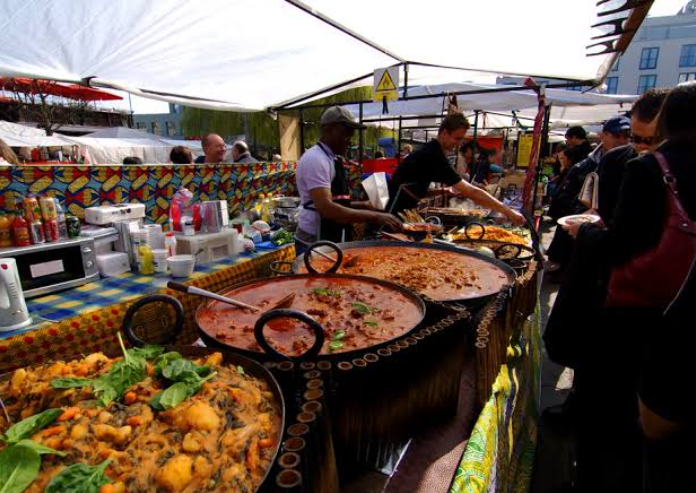
African food culture is an intricate tapestry that weaves together diverse regions, traditions, and histories. Each dish tells a story and reflects the identity and vibrant heritage of its people. Let’s explore some captivating aspects of this rich culinary tradition.
1. The Role of Ingredients and Locally Sourced Foods
One defining feature of African cuisine is its reliance on local and seasonal ingredients. Across the continent, food is a reflection of the geography and climate, where the land yields a variety of fruits, vegetables, and grains. For example, in West Africa, cassava and yams are staples, while Northern regions might focus on grains like millet and sorghum. This connection to the land influences cooking methods, flavors, and even the nutritional profiles of the dishes, making food not only a sustenance but an expression of local culture.
Farmers markets, local vendors, and community gardens often serve as the epicenter for sourcing ingredients. These venues allow families to purchase fresh produce while supporting local economies. For instance, many East African nations celebrate the harvest with festivals that include cooking competitions and communal meals, fostering community bonds. This connection extends beyond shopping, integrating respect for the land and seasonal cycles into daily life.
-
- Visit local markets to discover regional specialties.
-
- Try growing your own herbs to incorporate freshness into your meals.
-
- Participate in community-based food initiatives.
-
- Learn about the seasonal availability of ingredients in your area.
2. Culinary Techniques and Preparation Methods
Traditional cooking methods in Africa often involve techniques passed down through generations, showcasing the creativity of various cultures. For instance, grilling, steaming, and frying are common techniques used across different regions. A classic method involves the preparation of “potjiekos” — a slow-cooked stew cooked over an open flame in South Africa. This cooking style not only tenderizes the food but also enhances the flavors through smokiness and infusion, making it a beloved dish at communal gatherings.
Moreover, the importance of communal cooking and sharing meals is vital in African culture. In many communities, large pots of food are prepared to feed extended family and friends. This tradition encourages social interaction and a sense of belonging. Foods like jollof rice or ugali often become the centerpiece of shared meals, celebrating togetherness through flavors and vibrant conversations.
-
- Experiment with traditional cooking methods like grilling or steaming.
-
- Plan communal meals to strengthen relationships and celebrate culinary delights.
-
- Explore local recipes and adapt them to incorporate techniques from various cultures.
-
- Attend cooking classes to learn authentic preparation methods.
3. Celebrations, Rituals, and Food
Food plays a central role in African celebrations and rituals, offering a window into the social and cultural practices that define various communities. For instance, weddings often feature elaborate feasts, where dishes symbolize prosperity and happiness. In many cultures, certain foods are prepared to honor ancestors during celebrations like the Day of the Dead in Nigeria, reflecting a deep respect for past generations. These rituals are not just about eating; they are about remembering, honoring, and creating connections across generations.
Cultural festivals also bring African food culture to the forefront. Events like Senegal’s “Festival of Gastronomy” highlight traditional dishes and innovative cuisine inspired by local ingredients. Such festivals serve as a platform where chefs, home cooks, and food lovers come together to appreciate culinary arts, showcase local talent, and immerse themselves in cultural education.
-
- Attend local food festivals to engage with various culinary cultures.
-
- Research traditional dishes relevant to your community’s cultural celebrations.
-
- Organize a themed dinner based on a cultural feast you admire.
-
- Engage in storytelling during meals to honor traditions and family history.
African food culture is a rich and evolving expression of identity, history, and community. It encourages us to connect with our environment and one another through shared meals and traditions. By exploring and engaging with these culinary stories, we can foster a deeper appreciation for the diversity and creativity found within African cuisine.
As you explore African food culture, take the time to try new recipes, learn about local ingredients, and engage with your community. Each dish you create or share is not just a meal—it’s a story waiting to be told.