
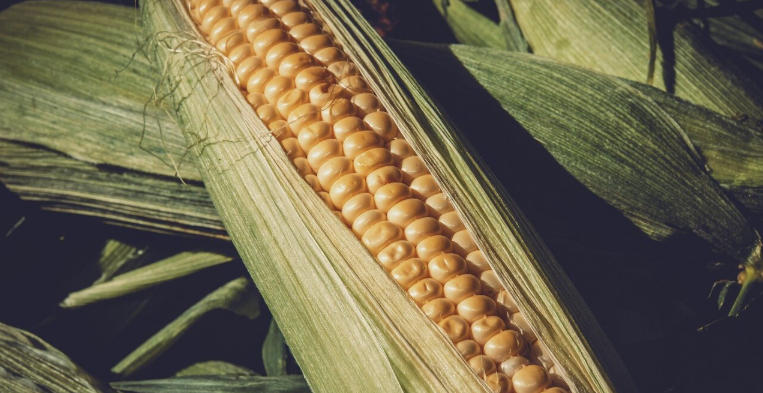
Corn, or maize, has long held a special place in the hearts and plates of Mesoamericans. Understanding its journey from a wild grass to a staple of daily life reveals not only culinary evolution but also cultural significance. This exploration highlights the importance of corn in shaping the region’s history, economy, and traditions.
The Origins of Corn Cultivation
Corn’s story begins around 9,000 years ago in the highlands of Mexico, where early agricultural societies transitioned from foraging to farming. Domesticated from a wild grass called teosinte, ancient Mesoamericans recognized corn’s potential for nutrition and adaptability. This shift laid the foundation for settled communities, enabling people to cultivate larger crops. Over thousands of years, through careful selection and cultivation, various strains of corn emerged, leading to the diverse varieties we know today.
Corn in Daily Life
Corn is more than just food in Mesoamerica; it’s woven into the daily lives of the people. From tortillas and tamales to soups and sauces, corn is foundational in countless dishes. The versatility of corn allows it to be ground, roasted, or fermented, creating a multitude of flavors and textures. Additionally, corn plays a key role in traditional celebrations and rituals, symbolizing life and fertility. Its prominence in cuisine not only nourishes the body but also fosters a sense of community and identity.
Cultural Significance and Traditions
The cultural importance of corn in Mesoamerican societies cannot be overstated. It is often seen as a sacred gift from the gods, representing sustenance and prosperity. Stories and myths, such as those found in the Popol Vuh, highlight corn as a vital element in the creation of humanity. Festivals centered around corn harvests celebrate the crop’s significance, ensuring that agricultural practices are passed down through generations. This deep-rooted reverence for corn continues to resonate today, influencing contemporary views on agriculture, spirituality, and cuisine.
Conclusion
Corn’s journey from a humble grass to the heart of Mesoamerican cuisine illustrates its enduring importance in the region. By learning more about the history and cultural significance of corn, we can appreciate the intricate connection between food, tradition, and identity. Dive deeper into Mesoamerican culture, and discover how this remarkable grain continues to shape lives and communities.