
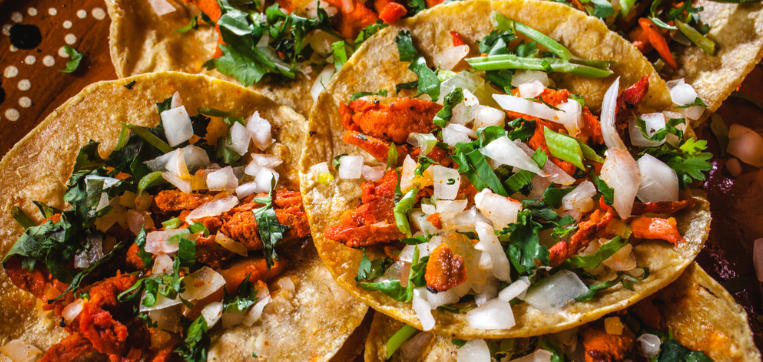
Latin American street food offers a vibrant tapestry of flavors, textures, and traditions that reflect the region’s diverse cultural history. Understanding its evolution not only enhances our appreciation of these delightful dishes but also highlights the influences that shaped them. Join us as we explore the rich journey of Latin American street food.
Indigenous Roots and Colonial Influences
Street food in Latin America has deep indigenous roots, with many dishes tracing back thousands of years. The native peoples utilized local ingredients, such as corn, beans, and chili peppers, to create foundational dishes like tortillas and tamales. When European colonizers arrived in the 15th century, they introduced new ingredients—such as meat, dairy, and spices—which transformed these indigenous staples. The fusion of these elements led to a variety of street foods that reflect the blending of cultures, making everyday meals a celebration of heritage.
Regional Variations and Unique Flavors
As Latin America is home to numerous countries, each region has developed its own unique street food specialties. For instance, tacos in Mexico are a far cry from the arepas of Venezuela. Coastal areas often feature seafood dishes, while mountainous regions boast hearty meat stews. Local festivals and markets have historically served as venues where these varied foods can be tasted and enjoyed. The regional variations not only highlight the diversity of ingredients available but also the distinctive culinary techniques that differ from one locality to another.
Modern Trends and Global Influence
In recent years, Latin American street food has captured global attention, thanks in part to the rise of food trucks and pop-up eateries. Chefs are now creatively reinterpreting traditional recipes while maintaining their essence. Dishes like ceviche and pupusas are becoming international favorites, merging street food with fine dining experiences. Additionally, social media showcases these culinary treasures, encouraging food lovers worldwide to explore Latin American gastronomy. The modern street food scene is a blend of tradition and innovation, offering something for everyone to enjoy.
In conclusion, the evolution of Latin American street food is a fascinating journey through history, culture, and culinary creativity. Whether you are sampling a local dish or cooking at home, each bite tells a story. Explore further, try out some recipes, or visit a local food market to immerse yourself in this vibrant food culture. Happy tasting!