
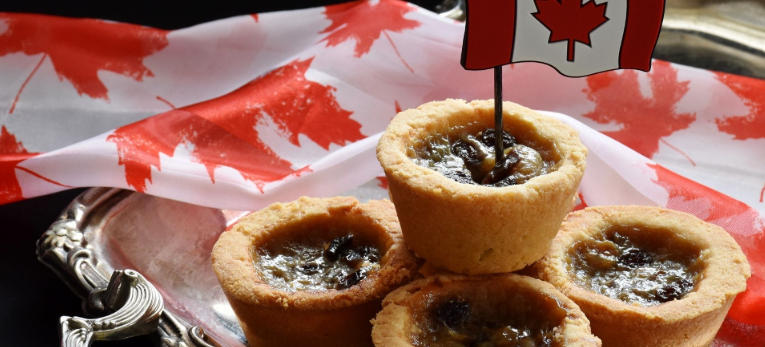
Maple syrup is more than just a delicious topping for pancakes; it holds a special place in Canadian culture and cuisine. Understanding its impact reveals not only the sweetness of this natural syrup but also the history, traditions, and culinary creativity that make Canadian food culture unique. Let’s dive into how maple syrup has molded the culinary landscape of Canada.
The Historical Roots of Maple Syrup
The history of maple syrup dates back to Indigenous peoples long before European settlers arrived. They discovered the sweet sap of the maple tree and began tapping it in the spring. This tradition led to a deep-rooted cultural significance surrounding the harvest and the ceremonial practices associated with it. By the 17th century, European settlers recognized the economic potential of this natural resource, and the production of maple syrup flourished. Today, provinces like Quebec account for over 70% of the world’s maple syrup, making it an essential part of Canada’s identity.
Maple Syrup in Modern Canadian Cuisine
Maple syrup has transcended its traditional role as a pancake topping to become a versatile ingredient in contemporary cuisine. Chefs across Canada are using it to enhance savory dishes, desserts, and even cocktails. From maple-glazed salmon to maple-infused baked beans, this sweet syrup adds complexity and depth to a wide array of meals. The growing trend of farm-to-table dining has also led to an increased focus on local ingredients, and maple syrup’s natural sweetness complements the fresh, local produce that is celebrated in Canadian gastronomy.
Celebrating Maple Syrup: Festivals and Traditions
Canada is home to numerous maple syrup festivals that celebrate this beloved sweetener each spring. Events like the Festival of Maple in Quebec and the Ontario Maple Syrup Festival bring communities together to share in the excitement of syrup production, complete with tastings, educational demonstrations, and fun activities for families. These festivals not only promote the cultural significance of maple syrup but also strengthen community bonds and highlight the importance of agriculture in Canadian life.
In conclusion, maple syrup is more than just a breakfast staple; it is a vital aspect of Canadian food culture and heritage. Its historical roots, modern culinary applications, and community celebrations reflect the rich tapestry of Canadian identity. If you’re interested in exploring this delicious aspect of Canada further, consider visiting a local maple syrup festival or trying your hand at cooking with this sweet ingredient. Happy tasting!