
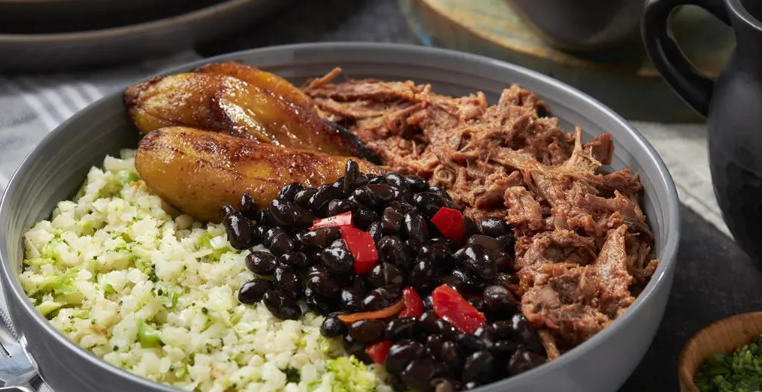
Pabellón Criollo, often regarded as the national dish of Venezuela, encapsulates the heart and soul of Venezuelan cuisine. This hearty meal not only showcases the diverse flavors of the country but also tells a story of cultural fusion and tradition. Understanding its origins and components offers a delightful glimpse into what makes culinary heritage so rich.
The Components of Pabellón Criollo
At its core, Pabellón Criollo consists of four main components: shredded beef (carne mechada), black beans, rice, and fried plantains (tajadas). Each element brings a unique flavor and texture to the dish. The shredded beef is usually marinated and slow-cooked until tender, creating a savory and satisfying base. Black beans are often seasoned to perfection, providing a creamy counterpart. The fluffy rice serves as a neutral ground, balancing out the intense flavors, while the sweet fried plantains add a hint of sweetness, rounding off the meal harmoniously. Together, these ingredients create a flavorful mosaic that reflects the diversity of Venezuelan culture.
A Fusion of Cultures and Traditions
The origins of Pabellón Criollo can be traced back to the melding of indigenous, African, and Spanish culinary influences, forming a dish that represents the very essence of Venezuelan identity. The indigenous people contributed many ingredients, such as beans and plantains, while Spanish colonizers introduced beef and rice. African slaves brought techniques and spices that enhanced the flavors, leading to the rich, savory preparation we see today. This cultural blend not only highlights the historical context of Venezuela but also showcases the unity of its people through food.
Pabellón Criollo in Venezuelan Culture
Pabellón Criollo is more than just a dish; it’s a symbol of national pride. Found in homes, restaurants, and even street food stalls across the country, it reflects the traditional values and social gatherings of Venezuelans. Whether served at family celebrations or casual lunches, Pabellón Criollo invites people to share and enjoy together. In recent years, it has gained popularity outside Venezuela as well, often featured in Latin American festivals and culinary events around the globe. The dish serves as an ambassador of Venezuelan culture, bringing a taste of home to Venezuelans abroad while introducing others to its delightful flavors.
In conclusion, Pabellón Criollo is a testament to Venezuela’s rich culinary history and cultural heritage. If you haven’t tried this delicious dish yet, now is the perfect time to explore its flavors and learn more about the stories behind it. Whether you’re cooking it for yourself or enjoying it at a local restaurant, embrace the experience and savor every bite!