
Spam has a unique place in Hawaiian cuisine, often surprising mainlanders who associate the canned meat with necessity rather than culinary creativity. Understanding how Spam captured the hearts (and taste buds) of the Hawaiian people reveals a rich tapestry of history, culture, and survival. Let’s explore this delicious phenomenon and uncover why Spam remains a beloved staple in Hawaii.
A Historical Context: The Arrival of Spam
Spam made its way to Hawaii during World War II when fresh meat was scarce. Military rations included this shelf-stable product, making it a reliable food source for the troops stationed in the islands. As locals were introduced to Spam through military personnel, they quickly discovered its versatility, leading to its integration into everyday meals. This historical backdrop not only left a lasting impact but also established Spam as a symbol of resourcefulness and adaptability in challenging times.
Spam in Hawaiian Cuisine
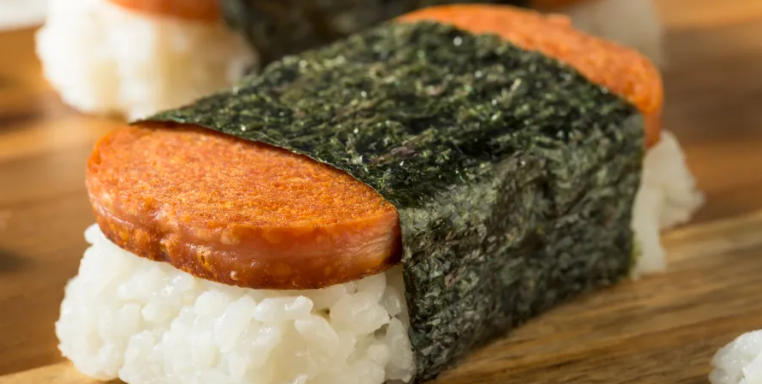
In Hawaii, Spam is more than just a pantry item; it’s a cultural icon. It features prominently in many traditional dishes, including Spam musubi, a sushi-like creation wrapped in seaweed and rice. The locals have embraced Spam in breakfast dishes, sandwiches, and even salads, showcasing its flexibility across different cuisines. Food festivals celebrate Spam, and its popularity continues to grow, demonstrating how it has evolved from a wartime staple to a beloved ingredient deeply embedded in Hawaiian identity.
The Spam Experience: Cultural Celebrations and Popularity
Spam isn’t just food in Hawaii; it embodies a sense of community and celebration. Festivals like the annual Waikiki Spam Jam draw thousands of visitors, showcasing the unique ways Spam can be prepared and enjoyed. From fried Spam to savory Spam burgers, the event highlights the culinary creativity surrounding this canned meat. Its popularity speaks to the broader cultural phenomenon of ‘Spam culture,’ where culinary enthusiasts and food trucks prioritize local flavors, creatively transforming Spam into gourmet delicacies.
Conclusion
Spam’s journey from the battlefield to the Hawaiian plate is a testament to the islanders’ ingenuity and love for flavorful food. Whether you’re a local or a visitor, exploring the many ways Spam has been adapted will enrich your culinary experience in Hawaii. Dive into the local cuisine, attend a Spam festival, or simply try making a Spam musubi at home. Embrace the flavors of Hawaii, and you may just find a newfound appreciation for this unique ingredient.