
Understanding the origins of Cajun and Creole cooking is not just a culinary journey; it’s a celebration of culture, history, and the rich tapestry of influences that shape Southern Louisiana’s unique flavors. These two styles of cooking often intertwine yet possess distinct characteristics, making them fascinating subjects to explore. By delving into their origins, we can appreciate not only the food but also the diverse communities that cultivated these culinary traditions.
The Roots of Cajun Cooking
Cajun cooking traces its roots to the Acadian exiles who settled in Louisiana in the 18th century. Originally from Canada, these French-speaking settlers brought with them a variety of cooking techniques and recipes. The harsh environment of the bayous and swamps led to resourceful adaptations, using locally available ingredients like rice, crawfish, and various game. One hallmark of Cajun cuisine is its bold seasoning, often featuring a “holy trinity” of onions, bell peppers, and celery, which forms the foundation of many dishes. This culinary style emphasizes hearty, rustic meals designed to nourish large families, reflecting the communal spirit of the Cajun people.
The Influences of Creole Cooking
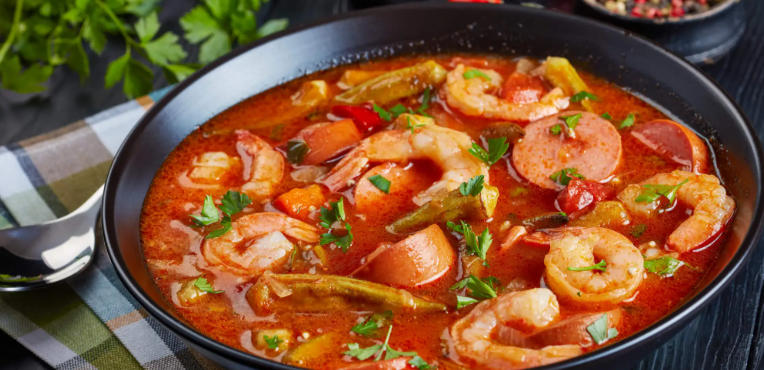
Creole cooking, on the other hand, is a melting pot of influences from various cultures, including Spanish, African, and Native American traditions. Originating in the city of New Orleans, Creole cuisine signifies a blend of the aristocratic French culinary traditions and the diverse flavors of the city’s immigrant population. This cooking style is known for its complexity and sophistication, often incorporating tomatoes, cream, and rich sauces. Dishes like gumbo and jambalaya are classic examples of the Creole approach, showcasing vibrant flavors and intricate techniques that distinguish it from Cajun fare. The culinary heritage of Creole cooking reflects the city’s historical significance as a cultural crossroads.
Cajun and Creole Today
In contemporary times, both Cajun and Creole cooking have evolved, gaining popularity far beyond the borders of Louisiana. Chefs are now experimenting with traditional recipes, often putting new spins on classic dishes while preserving their roots. Festivals and culinary events dedicated to these cuisines celebrate their rich heritage and foster a deeper appreciation for the cultures from which they sprang. As people around the world embrace these delicious foods, they also learn about the diverse histories and communities that shape Cajun and Creole cooking, making these culinary traditions relevant today more than ever.
In conclusion, the captivating origins of Cajun and Creole cooking tell a story of resilience, adaptation, and cultural fusion. Whether you’re enjoying a bowl of gumbo or savoring a spicy jambalaya, you’re experiencing a delicious slice of history. If you’re inspired to learn more about these culinary traditions or try your hand at cooking some classic dishes, dive into local cookbooks, or take a cooking class dedicated to Cajun and Creole flavors. Happy cooking!