
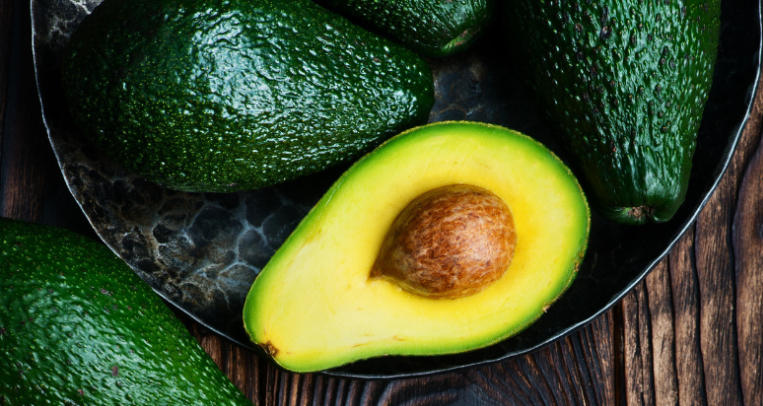
Avocados have surged in popularity in recent years, becoming a staple in kitchens across the globe. Understanding the roots of avocado consumption in the Americas can provide insight into not just a delicious fruit but also a rich cultural heritage. This journey through history highlights how avocados have woven themselves into the culinary fabric of the region.
The Ancient Origins
Avocados have been cultivated in the Americas for thousands of years, with evidence of their use dating back to around 500 B.C. in Mesoamerica. Indigenous peoples, particularly the Aztecs and Mayans, were among the first to recognize the fruit’s nutritional value, calling it “āhuacatl,” meaning “testicle,” due to its shape. They not only enjoyed avocados for their creamy texture and flavor but also utilized them in religious rituals and as a source of medicine. This early reverence set the foundation for avocado consumption as an essential food source.
The Rise in Popularity
The 20th century marked a significant shift in avocado consumption, particularly in the United States. The fruit was largely unknown outside of Mexican cuisine until the 1920s, when agricultural promotion and increased farming in California began to change perceptions. Avocados started to appear in more American recipes, from guacamole to salads. As the health benefits of avocados gained recognition, their popularity skyrocketed, with people embracing them as a nutritious alternative to traditional fats and oils.
Cultural Significance
Today, avocados are more than just a trendy food; they represent a blend of cultural identities and traditions. In many Latin American countries, avocados are a staple, featured in various local dishes that celebrate the fruit’s versatility. Guacamole, for instance, is not just a dip; it’s a dish that evokes family gatherings and social connections. The way avocado consumption has evolved reflects broader social dynamics, including migration, globalization, and changing dietary preferences.
In conclusion, the history of avocado consumption in the Americas reveals a rich tapestry of cultural significance and culinary evolution. By learning about its origins, we can appreciate this beloved fruit even more. So next time you enjoy some guacamole or slice an avocado for your toast, take a moment to consider the deep-rooted history behind it. Explore more about avocados and incorporate this wonderful fruit into your diet!