
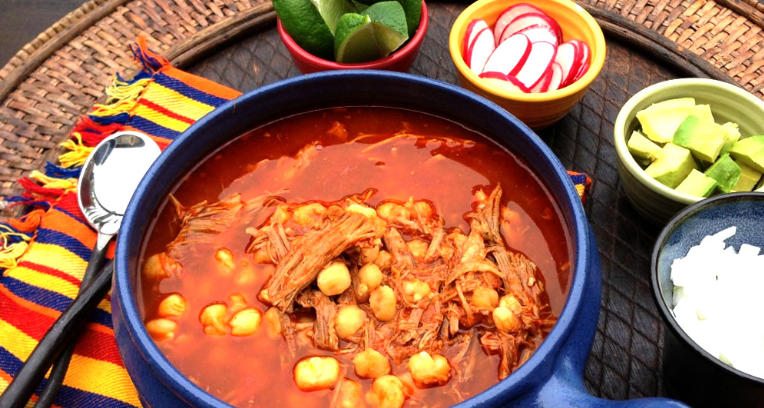
Pozole, a traditional Mexican soup, is much more than just a meal; it is a cultural symbol rich in history and flavor. As one of Mexico’s oldest dishes, pozole carries with it tales of ancient traditions and community gatherings. This blog post explores the fascinating origins, variations, and cultural significance of this beloved dish.
Ancient Origins of Pozole
The roots of pozole can be traced back to the Aztecs, who celebrated it as a ceremonial dish. Traditionally made with hominy, which is corn treated with an alkali, and various types of meat—often pork or chicken—this dish symbolized abundance and was served during important rituals. The preparation of pozole was often a communal activity, reflecting the social fabric of the time. Fast forward to today, and you can find regional variations throughout Mexico, each with its own unique twist on this timeless recipe.
Regional Variations
While pozole is recognized for its core ingredients, the dish varies significantly across different regions of Mexico. For instance, in Guerrero, pozole is typically red, made with a rich blend of dried chiles, while the green version from Jalisco incorporates tomatillos and cilantro for a fresher taste. There’s also blanco, or white pozole, which is the original form that showcases the corn and meat without additional spices. Each version offers a unique glimpse into the local culture and cooking methods, making it a versatile dish that appeals to a wide array of palates.
Pozole as a Cultural Celebratory Dish
Pozole is more than just a meal for many Mexican families; it’s a symbol of celebration and community. Often served during holidays, weddings, or family gatherings, it brings people together around the table. Its preparation is usually a family affair—everyone contributes to the cooking process, from making the broth to preparing the garnishes like radishes, lettuce, and lime. This dish not only nourishes the body but also enhances social bonds, fostering a sense of belonging and tradition.
In conclusion, pozole is a dish steeped in history and culture, embodying the heart and spirit of Mexican cuisine. Whether you’re enjoying it in a local taquería or making it at home, each bowl tells a story that connects the past to the present. So why not try making your own pozole and experience the flavors and traditions for yourself? Embrace the joy of cooking, and savor a piece of Mexican heritage in every spoonful!