
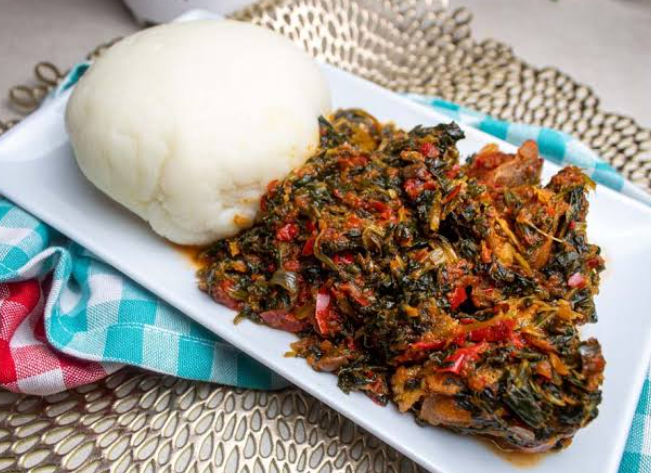
Africa is a continent rich in cultural diversity and culinary traditions that have evolved over centuries. Each region boasts unique flavors, ingredients, and cooking methods that create classic dishes treasured by locals and visitors alike. Join us as we explore some of these iconic African dishes that not only satisfy the palate but also tell a story of the people and places they come from.
1. Jollof Rice
Jollof Rice is a beloved dish in West Africa, particularly in Nigeria and Ghana. This one-pot dish is typically made with rice, tomatoes, onions, and a blend of spices, resulting in a fragrant and flavorful meal. Variations often include chicken, fish, or vegetables, and it is usually served alongside side dishes like fried plantains or coleslaw. The debate over which country makes the best Jollof Rice is a lively and friendly rivalry among nations.
Making Jollof Rice is a straightforward process that even novice cooks can master. The secret lies in the tomato base, which is cooked down to create a rich, concentrated sauce before adding the rice. Using long-grain rice results in a fluffier texture, while the right balance of spices provides the distinct taste that makes Jollof irresistible.
-
- Use ripe tomatoes and fresh ingredients for the best flavor.
-
- Don’t skimp on the spices—bay leaves, thyme, and pepper elevate the dish.
-
- Consider adding a protein like chicken or shrimp for a full meal.
-
- Serve with fried plantains or a simple cucumber salad for balance.
2. Injera
Injera is an essential staple of Ethiopian cuisine, known for its distinctive sour flavor and spongy texture. This flatbread is made from teff flour and is unique as both a plate and utensil—it acts as a barrier for stews and vegetables while allowing diners to scoop food with pieces of injera. Traditionally, injera is fermented for several days, which accounts for its tangy taste.
Cooking injera can be a labor of love, as it requires careful monitoring of fermentation and cooking on a special pan called a mitad. The result is a lovely, circular flatbread that is slightly bubbly and wonderfully textured. Injera pairs beautifully with a variety of dishes, often served with spicy lentils, stewed vegetables, or tangy meat preparations.
-
- Ferment your batter for at least 24 hours for optimal flavor.
-
- Cook on medium heat to achieve the perfect bubbles on your injera.
-
- Pair with at least three different stews for an authentic meal.
-
- Don’t forget to share with a group—injera is meant to be communal!
3. Bunny Chow
Bunny Chow is a popular street food originating from the Indian community in South Africa, specifically Durban. This dish consists of a hollowed-out loaf of bread filled with spicy curry. Its origin dates back to the 1940s when Indian laborers needed a convenient, portable way to enjoy their meals. The bread absorbs the flavorful curry, making each bite deliciously satisfying.
Making Bunny Chow at home can be an enjoyable experience, as you can customize the curry filling to suit your taste. Whether you choose a vegetable, chicken, or lamb curry, the key is in the spices—coriander, cumin, and turmeric bring warmth and depth to the dish. When serving, it’s customary to offer extra pieces of bread for scooping up the remaining curry.
-
- Choose a good-quality white loaf that can hold the curry without breaking.
-
- Let the curry simmer to meld the flavors together before filling the bread.
-
- Serve with chutney or pickles for an added flavor punch.
-
- Consider preparing extra bread pieces for dipping!
4. Tagine
Tagine is not just a dish but also a traditional Moroccan cooking vessel. The tagine’s conical shape promotes steam circulation, resulting in tender and flavorful dishes. It often features a mix of meat, vegetables, and aromatic spices, creating a rich, stewed meal that is served with couscous or bread. Common ingredients include chicken, lamb, nuts, and dried fruits, making for a delightful balance of savory and sweet flavors.
Cooking with a tagine requires some patience as the slow-cooking process allows the flavors to develop. It is essential to layer ingredients properly, starting with the spices, followed by meat, and then vegetables on top. This method ensures that the meat remains moist while the vegetables absorb all the delicious flavors.
-
- Use a combination of spices such as cumin, cinnamon, and ginger for depth.
-
- Make sure you have enough liquid to avoid burning during cooking.
-
- Consider adding dried fruits like apricots or raisins for a sweet contrast.
-
- Serve with fluffy couscous to soak up the flavors!
5. Bobotie
Bobotie is a traditional South African dish with a unique combination of savory and sweet elements. Made from minced meat, this dish is enriched with spices such as curry powder and topped with a custard-like egg mixture before being baked until golden. Bobotie is often served with yellow rice and chutney, a combination that highlights its sweet and spicy flavors and reflects the multicultural influences on South African cuisine.
Preparing bobotie involves sautéing onion and spices, then mixing them with the minced meat. This hearty dish is ideal for family gatherings or community feasts and has been enjoyed by generations. The layers of flavors make it comforting and satisfying, offering a delightful glimpse into South Africa’s culinary heritage.
-
- Don’t forget the lemon leaves—these add a unique aroma and flavor.
-
- Adjust the sweetness to your taste by balancing the chutney ratio.
-
- Serve with an extra dollop of chutney on the side.
-
- Consider making it a day ahead; the flavors deepen overnight.
Exploring African classic dishes is an exciting journey into the continent’s rich culinary landscape. These recipes not only nourish the body but also connect us to the culture and history behind them. So why not gather your ingredients and start cooking today? Dive into these flavors, and you’ll surely experience a taste of Africa in your own kitchen!