
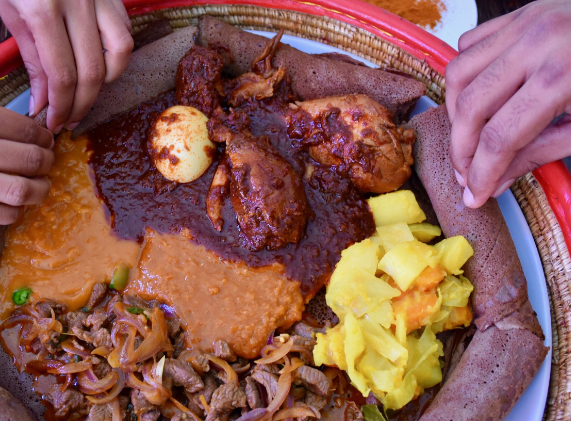
African culinary culture is a vibrant tapestry woven from diverse ingredients, traditions, and cooking techniques. Each region boasts its own unique flavors and dishes, reflecting the rich history and cultural practices of its people.
1. The Diversity of Ingredients
One of the most striking features of African cuisine is its vast array of ingredients. Staples such as maize, cassava, and yams are widely used, varying by region. In West Africa, for instance, jollof rice dominates the culinary scene, while East Africa offers dishes like ugali made from maize or cassava, illustrating the local availability of ingredients.
In addition to staples, Africa is home to a plethora of spices and herbs that contribute to its distinctive flavors. For example, North African cuisine showcases spices like cumin, coriander, and saffron, while South Africa leans towards a unique blend of spicy and sweet flavors like chutney and biltong. This ingredient diversity not only enhances culinary experiences but also showcases the continent’s agricultural resources.
-
- Explore local markets to discover unique ingredients.
-
- Try cooking with regional spices and herbs.
-
- Experiment with substitute ingredients based on availability.
-
- Read up on traditional dishes from different African regions.
2. Traditional Cooking Methods
Traditional cooking methods across Africa often utilize techniques passed down through generations. One common method is cooking over an open fire, which not only brings a unique flavor to food but also fosters community gatherings. Such gatherings often inspire a shared experience, where families and friends come together to enjoy meals made with love and care.
Another prevalent method is steaming, often seen in dishes like injera from Ethiopia. This grain-based flatbread is made by steaming, resulting in a soft texture perfect for soaking up stews and sauces. Additionally, frying and grilling are frequent cooking techniques, particularly seen in street food culture, which showcases quick bites full of flavor.
-
- Learn traditional cooking methods to enhance your cooking skills.
-
- Host a communal cooking event with friends or family.
-
- Experiment with open-fire cooking, if possible.
-
- Try making traditional dishes that require specific techniques.
3. The Role of Food in Culture and Community
Food in African culture transcends mere sustenance; it embodies community, tradition, and identity. Celebrations such as weddings, births, and festivals often feature elaborate meals that showcase cultural heritage. For instance, in many cultures, communal eating is encouraged, reinforcing bonds among friends and family. This sense of togetherness is often accentuated by sharing dishes from a common platter.
Cultural practices surrounding food also include elaborate rituals and beliefs. Certain foods are considered sacred or are prepared with specific intentions, such as for healing or thanksgiving. These elements demonstrate the respect and significance placed on food beyond its nutritional value, celebrating the connections forged through shared meals.
-
- Engage in communal cooking and dining experiences.
-
- Learn about food-based rituals in your local African communities.
-
- Incorporate traditional recipes into your celebrations.
-
- Reflect on how food connects you with your heritage or community.
In conclusion, African culinary culture is a compelling blend of diversity, tradition, and community. Whether you are exploring new ingredients, experimenting with cooking methods, or partaking in cultural celebrations, there is always something new to discover and enjoy. Embrace this wonderful culinary journey by trying out new recipes and connecting with the rich cultural heritage behind each dish.