
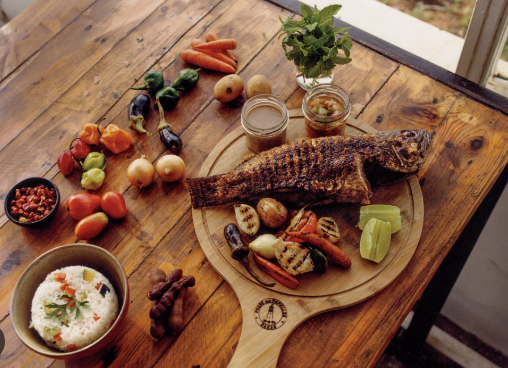
African culinary heritage is a treasure trove of flavors, traditions, and techniques that reflect the diverse cultures across the continent. Each region boasts its unique dishes, ingredients, and methods that have been passed down through generations, making the exploration of African cuisine both fascinating and enriching.
1. The Roots of African Cuisine
At the heart of African cuisine lie local ingredients that define the flavors of each region. Staples like millet, maize, and cassava are common and serve as the foundation for countless dishes. For example, in West Africa, jollof rice—prepared with tomatoes, onions, and spices—reflects the vibrant agricultural landscape, while in East Africa, ugali, a maize-based dish, nourishes families across the region. This reliance on indigenous crops not only supports local economies but also strengthens community bonds.
Moreover, African culinary traditions often emphasize the importance of communal eating. Meals are frequently enjoyed with family and friends, symbolizing unity and celebration. These gatherings can be occasions for storytelling and sharing knowledge about food preparation techniques specific to each region, thus ensuring that culinary heritage is preserved and passed on.
-
- Explore local markets for fresh ingredients.
-
- Learn about the significance of communal meals.
-
- Experiment with indigenous grains like millet and sorghum.
-
- Participate in cooking classes or workshops to learn traditional techniques.
2. Influence of Trade and Migration
The historical patterns of trade and migration in Africa have significantly shaped its culinary landscape. The trans-Saharan trade routes facilitated the exchange of spices, grains, and cooking methods that led to the fusion of different culinary practices. For example, the influence of Indian spices can be seen in coastal regions, where dishes often incorporate flavors like curry and turmeric.
Similarly, the arrival of European colonizers introduced new ingredients such as potatoes, tomatoes, and maize to African cooking. These ingredients have been adapted into local recipes to create hybrid dishes that reflect the multicultural nature of African cuisine. The blend of indigenous and foreign influences provides a rich tapestry of flavors that continues to evolve today.
-
- Research regional trade histories to understand culinary influences.
-
- Experiment with fusion recipes by combining local and international ingredients.
-
- Explore how migration has affected the availability of ingredients.
-
- Try traditional dishes from various African communities across regions.
3. Celebrating Festivals Through Food
Food plays a pivotal role in African festivals, where traditional dishes are often central to celebrations. During events like weddings, religious ceremonies, and harvest festivals, special recipes are prepared to honor cultural heritage. For instance, the preparation of dishes like injera in Ethiopia or biltong in Southern Africa signifies not only festive spirit but also the cultural significance behind the ingredients and methods.
Additionally, these celebrations provide an opportunity to showcase regional specialties and the artistry involved in meal preparation. Serving food in large communal platters emphasizes sharing and unity, inviting guests to engage in the culinary experience. This aspect of African culture fosters pride and joy in preserving culinary practices from generation to generation.
-
- Participate in local food festivals to immerse yourself in cultural experiences.
-
- Learn to cook signature festival dishes from friends or family.
-
- Share your culinary creations with the community during celebrations.
-
- Research specific foods associated with various African festivals.
In conclusion, African culinary heritage is a dynamic and integral part of the continent’s identity, bridging tradition with modernity. Embrace this rich tapestry by exploring local techniques, participating in communal celebrations, and experimenting with diverse flavors that have shaped African cuisine throughout history.