
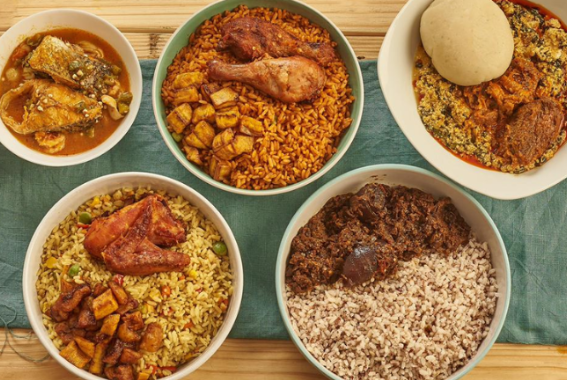
The African culinary journey is a vibrant and multifaceted experience that celebrates the continent’s rich heritage and diverse cultural influences. From spicy stews to flavorful grains, each dish tells a story shaped by history, geography, and tradition.
1. The Rich Tapestry of African Ingredients
Africa is home to a wide array of ingredients that contribute to its unique flavors. Staples like millet, sorghum, and teff are commonly used in various regions. For example, injera, a sourdough flatbread from Ethiopia, is made using teff flour, providing not only nutrition but also a distinct taste that pairs well with a variety of stews.
Additionally, spices and herbs play a significant role in African cuisine. Ingredients like berbere from Ethiopia, harissa from North Africa, and peri-peri from Mozambique offer a delightful kick to dishes. The use of local herbs, such as moringa and dandelion, showcases how nutrition and flavor can blend harmoniously.
-
- Explore local markets for authentic African ingredients.
-
- Try cooking with traditional staples like millet and teff.
-
- Experiment with African spices to enhance your dishes.
-
- Incorporate local herbs into your meals for added nutrition.
2. Signature Dishes from Africa
Each region in Africa boasts its own signature dishes that reflect local tastes and traditions. For instance, the jollof rice from West Africa is a beloved dish made with tomatoes, onions, and a blend of spices, often accompanied by fried plantains or grilled meats. Each country claims to have the best jollof, sparking friendly debates among locals.
Similarly, in South Africa, bobotie—a baked dish made of spiced minced meat topped with an egg custard—reflects the country’s colonial history and diverse cultural influences. These signature dishes not only tantalize the taste buds but also provide a glimpse into the social and cultural fabric of the regions they represent.
-
- Research and try recreating signature dishes from different regions.
-
- Attend local cultural festivals celebrating African cuisine.
-
- Share your cooking experiences with friends and family.
-
- Pair dishes with appropriate beverages, like South African wines or hibiscus tea.
3. The Role of Community in African Cooking
Community and family are central to the African culinary experience. Cooking is often a communal activity where family members gather to prepare meals, share stories, and strengthen bonds. For instance, in many African cultures, food is not just about sustenance; it’s a way of fostering relationships and celebrating life events, such as weddings or harvests.
Furthermore, traditional cooking methods, such as using open fires and clay pots, contribute to the unique flavors found in African dishes. These practices are passed down through generations, ensuring that culinary traditions remain alive and evolve over time while maintaining their roots.
-
- Participate in community cooking events to learn traditional practices.
-
- Invite friends and family to cook together for a shared experience.
-
- Document your family recipes to preserve your culinary heritage.
-
- Support local chefs and street vendors who uphold traditional cooking methods.
The African culinary journey offers a rich exploration of flavors, traditions, and communal experiences. By embracing and experimenting with these diverse cuisines, you can bring the vibrant spirit of Africa into your kitchen. So, gather your loved ones, explore new recipes, and celebrate the culinary heritage of this beautiful continent.