
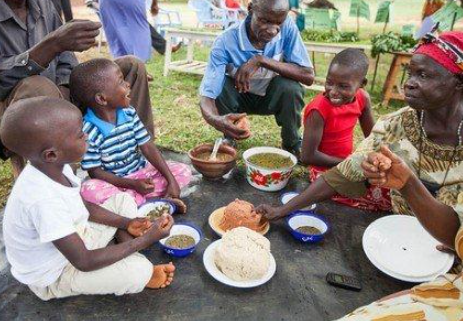
African family meals are a vibrant tapestry of flavors, traditions, and communal experiences. These meals not only nourish the body but also foster bonding and cultural heritage among families.
1. Celebrating Diversity Through Meals
Africa is home to an astonishing variety of cultures, each with its own culinary practices. From the spicy stews of West Africa to the grilled meats of East Africa, the continent boasts an array of flavors that reflect its diverse landscapes and peoples. For instance, dishes like Jollof rice from Nigeria and Injera from Ethiopia are more than just food; they symbolize regional pride and identity, often served at family gatherings and celebrations.
The communal nature of African meals exemplifies the importance of sharing. Families often gather around large platters and share serving bowls, fostering conversations and stories that have been passed down through generations. This practice reinforces not only familial bonds but also cultural identity, allowing younger members to learn about traditional recipes and their significance.
-
- Explore local markets for authentic ingredients.
-
- Try cooking traditional dishes for family gatherings.
-
- Encourage children to participate in meal preparation.
-
- Share recipes and stories with family members.
2. The Role of Meals in African Family Unity
Every meal is a chance to strengthen familial ties. Younger family members are taught the significance of certain dishes, as well as the rituals surrounding them. This not only preserves culinary traditions but also instills values of respect, gratitude, and connection within the family structure.
- Implement weekly family meal times to strengthen bonds.
- Discuss the significance of dishes during meals.
- Involve everyone in meal planning and preparation.
- Encourage sharing stories related to family recipes.
3. Nutritional Aspects of Traditional African Meals
Traditional African meals often highlight the use of whole ingredients, incorporating a variety of grains, legumes, and vegetables that are rich in nutrients. Meals such as Ugali (a maize flour porridge) or Fufu (a starchy side made from cassava) provide essential carbohydrates, while vegetables offer vitamins and minerals needed for a balanced diet. Additionally, many dishes incorporate locally-sourced proteins, like fish and game, which are pivotal for healthy growth in children.
Understanding the nutritional aspects of these meals can empower families to make healthier choices. From the use of less processed ingredients to incorporating seasonal produce, traditional cooking methods also emphasize sustainability. For instance, preparing meals with fresh veggies from local markets not only supports community farmers but also ensures nutrient-rich options for your family.
- Aim to include a variety of colors on your plate for balanced nutrition.
- Use local and seasonal ingredients for freshness.
- Incorporate more plant-based proteins into meals.
- Limit processed foods and focus on whole ingredients.
4. Modern Adaptations and Innovations
With globalization, many traditional African family meals are being modernized to cater to contemporary lifestyles while still preserving their essence. For instance, the traditional way of preparing dishes might be combined with modern cooking techniques like grilling or baking, allowing for quicker meal prep without losing flavor. This adaptation is especially significant in urban areas where time constraints are common.
Moreover, the incorporation of healthier alternatives, such as substituting refined sugars with natural sweeteners or using whole grain versions of staples, allows families to enjoy traditional meals while being health-conscious. This blend of tradition and innovation encourages families to explore new flavors while staying connected to their roots.
- Experiment with new cooking techniques for traditional recipes.
- Incorporate healthier ingredients without compromising taste.
- Invite friends over to try a modern twist on classic dishes.
- Share your adaptations on social media to inspire others.
In conclusion, African family meals offer a rich blend of tradition and innovation, encapsulating the spirit of community and cultural heritage. By participating in these culinary practices, families not only enjoy delicious food but also strengthen their bonds. Consider exploring traditional recipes and incorporating them into your family routine for a deeper cultural connection.