
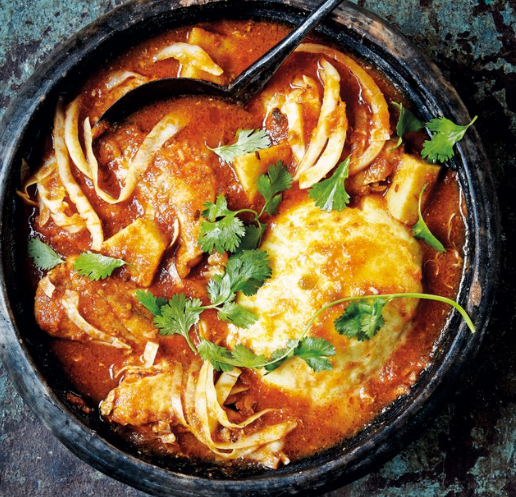
African family recipes are a beautiful tapestry of tradition, culture, and love, passed down through generations. From the aromatic spices of North Africa to the hearty stews of Sub-Saharan Africa, these recipes tell stories of heritage and community. Discovering and recreating these cherished dishes can be a delightful way to connect with family and celebrate a rich culinary history.
1. The Heart of African Cuisine: Ingredients and Flavors
African cuisine offers an array of unique and diverse ingredients that vary by region. Staples like millet, sorghum, maize, and cassava play a vital role in many dishes. Additionally, spices such as berbere, harissa, and peri-peri provide robust flavors that transform simple ingredients into flavorful meals. For instance, in West Africa, jollof rice is a festive dish often made with tomatoes, onions, and a blend of seasonings, reflecting regional tastes and preferences.
Another essential aspect of African cooking is the use of fresh vegetables and herbs. Dishes are often enriched with ingredients like okra, sweet potatoes, and various leafy greens, which not only enhance flavor but also provide nutritional benefits. Additionally, fish and meats such as chicken, goat, and beef are seasoned and often grilled or stewed, making each meal a reflection of local traditions.
-
- Experiment with local spices to enhance flavor.
-
- Use fresh vegetables and herbs for texture and nutrition.
-
- Incorporate different grains for variety in meals.
-
- Research regional specialties before cooking.
2. Family Gatherings: The Importance of Sharing Meals
Family gatherings in African culture often revolve around food, making meals a time for connection and celebration. Traditionally, meals are shared among family and friends, symbolizing unity and togetherness. For instance, in many East African communities, eating from a communal plate fosters conversation and builds relationships. Dishes like ugali or injera, served alongside stews and vegetables, are staples that encourage sharing.
Additionally, during festive seasons or significant family events, special recipes are often prepared to mark the occasion. Traditional dishes, like biryani during weddings or doro wat during celebrations, not only satisfy hunger but also serve as a reminder of cultural roots and family history. Engaging in meal preparation together can bring family members closer, as stories of the past are shared while cooking.
-
- Plan regular family meals to strengthen bonds.
-
- Encourage everyone to participate in meal preparation.
-
- Share stories behind traditional recipes to deepen connections.
-
- Make family gatherings a special occasion to celebrate diversity.
3. Embracing the Modern Twist: Keeping Traditions Alive
As culinary trends continue to evolve, many families are finding innovative ways to adapt traditional African recipes for contemporary tastes. This might include incorporating local or seasonal ingredients to modernize classics while maintaining the essence of the original dish. For example, using quinoa instead of rice in traditional dishes can provide a modern health twist while keeping the flavor intact.
Moreover, with the rise of food influencers and cooking shows, traditional African recipes are gaining popularity worldwide. By sharing these recipes through social media platforms, families can keep traditions alive while introducing them to a broader audience. This adaptability ensures that African recipes remain relevant and cherished, bridging generations and cultures.
-
- Experiment with local ingredients for a modern touch.
-
- Share family recipes online for community engagement.
-
- Encourage younger generations to participate in cooking.
-
- Combine traditional recipes with modern cooking techniques.
Exploring African family recipes is not just about cooking; it’s about embracing culture, tradition, and community. By recreating these dishes, you have the opportunity to honor your heritage and share it with others. So gather your family, experiment with new flavors, and enjoy the process of keeping these treasured recipes alive.
“`