
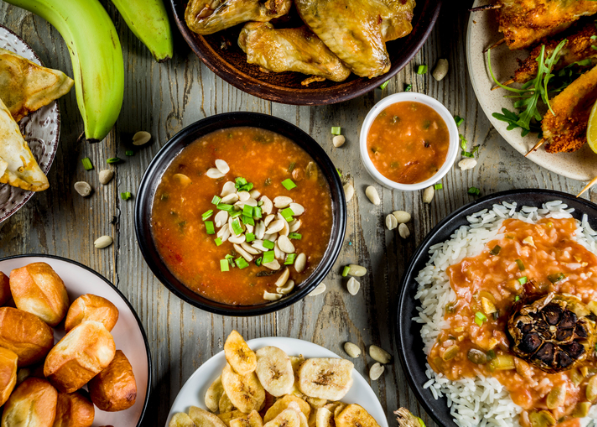
African flavor traditions are a vibrant tapestry woven from diverse cultures, histories, and landscapes. These culinary practices reflect the rich heritage of the continent, showcasing an array of ingredients, spices, and cooking methods that tell stories of community and identity.
1. The Role of Spices in African Cuisine
Spices are not just flavor enhancers in African cuisine; they are integral to its identity. In many regions, spices like cumin, ginger, coriander, and chili peppers are essential components that elevate dishes to new heights. For example, North African tagines often feature a complex mix of spices that create aromatic flavors and delightful aromas, setting the stage for a meal that is both satisfying and memorable.
Moreover, spices also have cultural significance, often associated with rituals and traditions. In West Africa, for instance, the use of pepper and other spices in cooking symbolizes hospitality and warmth. Sharing a flavorful meal with loved ones often demonstrates care and connection within communities, making spices essential not just for taste but also for fostering relationships.
-
- Experiment with spices in your own cooking to find unique combinations.
-
- Research traditional spice blends from different African regions.
-
- Incorporate spices like harissa or berbere for authentic flavors.
-
- Use fresh herbs alongside dried spices for added depth.
2. Traditional Cooking Methods That Enhance Flavor
Many African culinary traditions involve specific cooking methods that contribute to flavor complexity. Techniques like braising, steaming, or slow-cooking are commonly used across various cultures. For instance, the popular South African dish, bobotie, is prepared by slowly baking a spiced meat mixture that allows the flavors to meld beautifully, creating a savory and slightly sweet profile.
Grilling is another popular technique, particularly in East and Southern Africa, where kebabs and braais (barbecues) are common. These methods not only add smoky flavors but also facilitate communal dining, allowing people to gather around food and enjoy the experience together. The preparation process itself is as much about the food as it is about the connections built around it.
-
- Try grilling meats over an open flame for an authentic smoky flavor.
-
- Use cast iron pans or clay pots to replicate traditional cooking methods.
-
- Slow-cook stews to enhance the development of flavors.
-
- Involve family or friends in meal preparation for a communal experience.
3. Regional Variations in African Flavor Profiles
Africa’s immense diversity means that flavor profiles vary significantly from region to region. In North Africa, dishes often incorporate sweetness alongside spice, with ingredients like dried fruits and nuts complementing meat and vegetable dishes. Moroccan cuisine famously combines sweet and savory through the use of ingredients such as apricots, honey, and cinnamon in tagines.
In contrast, East African cuisine tends to emphasize sour and spicy notes, utilizing ingredients like tamarind, lime, and various hot peppers. Dishes like ugali (a stiff porridge made from maize flour) are often served with spicy stews, allowing diners to enjoy the harmonious balance of flavors. Understanding these regional distinctions can greatly enhance one’s appreciation of African culinary art.
-
- Explore regional recipes to understand flavor differences.
-
- Experiment with mixing sweet and spicy ingredients.
-
- Learn about indigenous herbs and vegetables native to each region.
-
- Visit local African markets to discover unique ingredients.
4. The Influence of Ingredients on Flavor
Fresh, local ingredients play a pivotal role in shaping African flavor traditions. Staples like maize, yams, and cassava provide a base for many dishes, with each ingredient contributing its unique taste and texture. For example, injera, a fermented flatbread from Ethiopia made from teff flour, adds a distinctive sourness that complements spicy stews beautifully.
Additionally, the inclusion of indigenous fruits and vegetables, such as baobab fruit, shiso leaves, or cowpeas, infuses dishes with fresh, vibrant flavors that are deeply rooted in local agricultural practices. This connection to the land not only enhances flavor but also fosters sustainability by promoting the use of locally sourced cooking materials.
-
- Incorporate local produce into your meals for authentic flavors.
-
- Try growing some traditional African ingredients in your garden.
-
- Attend farmer’s markets to discover seasonal offerings.
-
- Learn about the nutritional benefits of indigenous ingredients.
5. Culinary Practices and Cultural Significance
Culinary practices in Africa often extend beyond mere sustenance; they are deeply intertwined with cultural identity and social rituals. For instance, meals are frequently communal, signifying unity and shared experience. In many cultures, a meal is not just about eating; it’s a time for bonding, celebration, and honoring traditions, such as during weddings or festivals where specific dishes are prepared to mark the occasion.
Furthermore, traditional cooking often involves storytelling and the passing down of recipes through generations, preserving cultural heritage. Each dish carries a narrative that links individuals to their ancestors and community, fostering a sense of belonging and continuity. As such, understanding these practices can enrich our appreciation for the art of cooking as a vital aspect of African culture.
-
- Participate in communal meals to experience cultural connections.
-
- Explore the stories behind traditional dishes to understand their significance.
-
- Share family recipes with younger generations to keep traditions alive.
-
- Attend cultural festivals to learn about African culinary heritage.
In summary, African flavor traditions offer a vibrant insight into the continent’s cultural richness and culinary diversity. Embracing these traditions can enhance not only your cooking but also deepen your connection to the broader human experience. Consider exploring African recipes, connecting with local communities, and inviting the flavors of Africa into your kitchen!
“`