
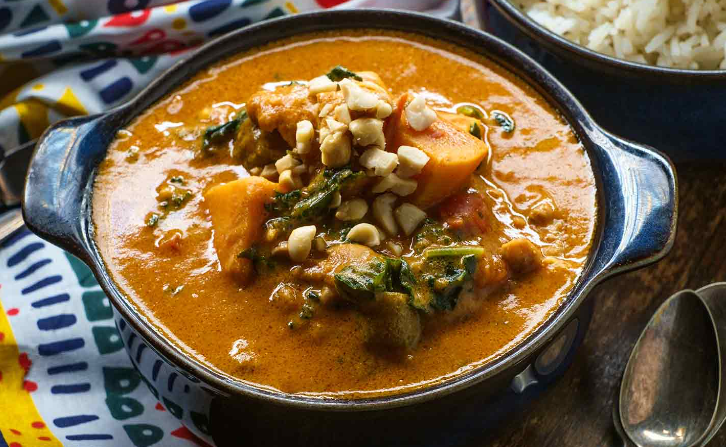
African cuisine is a vibrant tapestry of flavors that reflects the continent’s diverse cultures and traditions. Each region boasts unique dishes that tantalize taste buds, showcasing rich ingredients and cooking techniques. Let’s explore some of the most flavorful dishes from Africa, highlighting their ingredients and preparation methods.
1. Jollof Rice
Jollof rice is a beloved dish in West Africa, particularly in Nigeria and Ghana. This one-pot dish features rice cooked in a flavorful tomato sauce with spices, giving it a distinctive red hue. Each country has its variation; for instance, in Nigeria, the dish is known for its smoky flavor, often achieved through the use of a charcoal cooker.
The base of Jollof rice consists of blended tomatoes, onions, and peppers, sautéed in oil with spices like thyme and bay leaves. Protein such as chicken, shrimp, or tofu can be added for a heartier meal. The end result is a colorful and aromatic dish that brings people together around the table.
-
- Use long-grain rice for better texture.
-
- Let the rice steam after cooking for a fluffier finish.
-
- Experiment with adding vegetables like peas or carrots.
-
- Serve with fried plantains or a fresh salad.
2. Bunny Chow
Bunny chow is a South African street food that originated from the Indian community in Durban. It’s a hollowed-out loaf of bread filled with spicy curry, making it both a delicious and portable meal. The dish often features lamb, chicken, or vegetable curry, accompanied by a blend of spices and sauces that create a rich, hearty flavor.
The bread serves as a vessel, absorbing the flavors and acting as a utensil for eating the curry. The combination of spicy, savory, and slightly tangy notes makes every bite an explosion of taste. Bunny chow is not just about flavor; it’s a cultural experience best enjoyed with friends.
-
- Choose a dense bread like a white loaf for optimal structure.
-
- Allow the curry to simmer for at least an hour to develop flavors.
-
- Add a side of pickles or chutney for an extra kick.
-
- Consider vegetarian options like chickpea curry for variety.
3. Injera with Doro Wat
Injera is a spongy flatbread, a staple in Ethiopian cuisine, typically served with a variety of stews, the most famous being Doro Wat. This chicken stew is rich and spicy, made with berbere spice blend and simmered until the chicken is tender. The combination of the tangy injera and the spicy stew creates a unique and satisfying culinary experience.
The preparation of injera involves fermenting teff flour, giving it a signature sour taste and a soft, porous texture. Served at communal meals, diners tear off pieces of injera to scoop up the Doro Wat, fostering a sense of togetherness. It’s not just a meal; it’s a celebration of culture and community.
-
- Ferment the batter for at least 24 hours for better flavor.
-
- Cook injera on a non-stick pan for ease.
-
- Let the Doro Wat simmer for over an hour for depth of flavor.
-
- Pair with various vegetables for a complete meal.
4. Bobotie
Bobotie is a South African dish with roots in Malay cuisine, characterized by its flavorful minced meat base topped with creamy egg custard. The dish typically includes a mixture of spices such as curry powder, and dried fruits like raisins, which provides a unique sweet-savory flavor profile. Bobotie is often served with yellow rice and chutney, enhancing its deliciousness.
The beauty of bobotie lies in its complexity, where the richness of the meat is contrasted by the creamy topping. It’s a comfort food that evokes a sense of home, often enjoyed at family gatherings. Preparing bobotie may require some time, but the end result is a dish that is well worth the effort.
-
- Choose a mix of meats for a richer flavor.
-
- Let the dish sit before serving to allow flavors to meld.
-
- Opt for homemade curry powder for a fresh taste.
-
- Garnish with sliced almonds or banana for added texture.
5. Tagine
Tagine is a North African slow-cooked stew named after the earthenware pot it’s cooked in. This dish comes from Morocco and is known for its aromatic spices, tender meats, and inclusion of fruits like apricots or almonds. The cooking process allows the ingredients to meld together, creating a flavorful experience that highlights a balance of sweetness and savory notes.
Common variations of tagine include chicken with olives, lamb with prunes, or vegetarian options with seasonal vegetables. The key to a successful tagine is low and slow cooking, which develops depth and complexity. A traditional tagine meal is typically served with couscous, making it a complete culinary experience.
-
- Use a proper tagine pot for unique flavor development.
-
- Layer ingredients carefully to preserve texture.
-
- Incorporate lots of spices for a warm flavor profile.
-
- Serve with a generous amount of fresh herbs for garnish.
Exploring African cuisine offers a delightful way to discover rich cultures through their flavors. From Jollof rice to Bunny chow, each dish tells its story and invites you to try something new. Don’t hesitate to experiment in your kitchen; embrace these recipes to embark on a culinary adventure that truly reflects the spirit of Africa.