
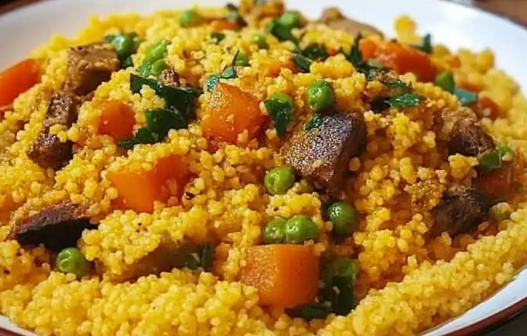
African food culture is a rich tapestry woven from the diverse traditions, ingredients, and cooking methods unique to the continent. From aromatic spices to vibrant colors, the culinary landscape offers a multitude of flavors that reflect the history and heritage of its people.
1. Regional Diversity in African Cuisine
Africa is home to a plethora of tribes and cultures, each contributing to the continent’s culinary richness. For instance, North African cuisine is heavily influenced by Mediterranean flavors, with dishes featuring lamb, couscous, and a variety of spices. In contrast, West African meals often emphasize starchy staples like yams, cassava, and rice, accompanied by rich stews made with ingredients like okra or groundnuts.
This regional diversity reflects the agricultural practices and climatic conditions of each area. The coastal regions of East Africa incorporate seafood and tropical fruits, while the arid deserts of the Sahel rely on hardy grains and livestock. Such variations present a unique opportunity for culinary exploration and appreciation of localized ingredients.
-
- Explore different regional cuisines to experience the variations in flavors.
-
- Try your hand at preparing dishes from at least three different African regions.
-
- Visit local African restaurants to discover authentic flavors.
-
- Research traditional cooking methods used in various cultures.
2. Traditional Ingredients and Flavors
Central to African cuisine are its vibrant and diverse ingredients. Staples such as maize, millet, and sorghum form the base of many meals across the continent. Additionally, spices like berbere from Ethiopia and harissa from North Africa play crucial roles in flavoring dishes, providing depth and warmth that are both comforting and exhilarating.
Fruits and vegetables such as plantains, sweet potatoes, and various leafy greens are also essential. These ingredients not only add nutrition but also contribute to the visual appeal of the dishes. For example, a colorful vegetable tagine bursting with spices and fresh produce exemplifies how vibrant flavors and aesthetics come together in African cooking.
-
- Familiarize yourself with essential African spices and their uses.
-
- Incorporate a variety of fruits and vegetables into your meals.
-
- Experiment with traditional staples like injera or fufu in your cooking.
-
- Learn about local farms or markets to source fresh ingredients.
3. Culinary Traditions and Celebrations
Food in Africa often serves as a focal point in community gatherings and celebrations. Traditional feasts are common during significant events, such as weddings or harvest festivals, where families come together to share elaborate meals. Dishes like jollof rice in West Africa or tagines in North Africa are often featured, showcasing not just culinary skills but also cultural heritage.
Many African cultures have unique rituals related to food preparation and consumption. In some regions, meals are eaten communally, with diners sharing from a common bowl, which reinforces community bonds. Understanding these traditions can deepen your appreciation for the meals themselves, as they carry stories and histories worth exploring.
-
- Participate in local cultural events to experience food traditions firsthand.
-
- Invite friends or family to enjoy a communal meal together.
-
- Research the significance of food in various African celebrations.
-
- Consider hosting themed dinners to share African culinary culture.
4. Health and Nutrition in African Diets
The health benefits of African diets are often derived from their emphasis on whole foods and natural ingredients. Many traditional meals are plant-based, rich in fiber, vitamins, and minerals, which contribute to better overall health. Legumes, nuts, and seeds are prevalent, providing essential proteins and healthy fats without relying on processed foods.
Furthermore, traditional cooking methods like steaming, boiling, and grilling retain nutrients while minimizing the use of unhealthy fats. By incorporating more African-inspired dishes into your diet, you can harness these health benefits while also enjoying the unique flavors they have to offer.
-
- Incorporate more whole foods into your daily meals.
-
- Experiment with plant-based cooking for nutritious options.
-
- Seek out traditional dishes that emphasize natural ingredients.
-
- Educate yourself on the health benefits of specific African staples.
Exploring African food culture can open your eyes to a world of flavors, traditions, and health benefits. Consider incorporating these ingredients and cooking techniques into your everyday meals for a richer culinary experience that honors the continent’s diverse heritage.