
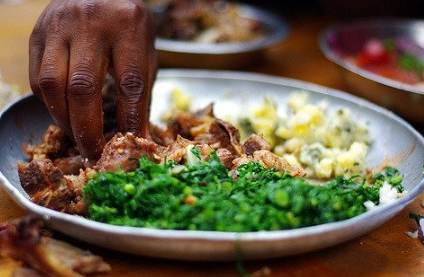
African cuisine is a vibrant tapestry of flavors, aromas, and textures that captivates food lovers around the globe. With its rich history and diverse cultures, African food offers an array of dishes that not only tantalize the taste buds but also tell stories that connect people to their roots.
1. The Culinary Diversity of Africa
Africa comprises 54 countries, each contributing to a rich culinary landscape that reflects its unique cultural heritage. From the spicy stews of West Africa to the staple dishes of Eastern Africa, such as ugali and injera, each region has its own distinctive flavors. For example, North African cuisine is famous for its use of spices like saffron and cumin in dishes like tagine, while Southern Africa is known for its braai (barbecue) culture and side dishes like boerewors.
This diversity means that food lovers can experience a wide range of cooking techniques and ingredients. Street food, local markets, and traditional cooking methods play a huge role in the culinary scene. Sampling dishes from various regions exposes you to unique flavors and cooking traditions, making every meal an adventure in itself.
-
- Explore local markets to discover authentic ingredients.
-
- Attend food festivals showcasing regional dishes.
-
- Try cooking classes that focus on local culinary techniques.
-
- Sample street food for a taste of traditional flavors.
-
- Pair traditional dishes with local beverages.
2. Signature Dishes You Must Try
When it comes to African cuisine, certain dishes stand out as iconic representations of their respective cultures. For instance, jollof rice from West Africa is a must-try, made with rice, tomatoes, and a variety of spices that vary from region to region. Another popular dish, bunny chow from South Africa, consists of a hollowed-out loaf of bread filled with rich curry, making it a deliciously portable meal.
Each dish comes with its own unique story and significance. For example, in Ethiopia, injera is not just a staple but also serves as both a plate and a utensil. It’s used to scoop up flavorful stews, embodying the communal aspect of African dining. These signature dishes not only fill the stomach but also nourish the soul, facilitating connection and sharing among people.
-
- Seek out authentic restaurants serving traditional dishes.
-
- Ask locals for their favorite recipes or adaptations.
-
- Participate in food tastings to explore different flavors.
-
- Document your culinary journey through pictures and notes.
-
- Experiment with these dishes at home using traditional ingredients.
3. The Role of Ingredients in African Cooking
Ingredients play a fundamental role in African cooking, often sourced locally to ensure freshness and quality. Staples such as millet, sorghum, and cassava are used in various forms, from flatbreads to porridge. Additionally, legumes like lentils and beans provide essential nutrients and form the base of many dishes, especially in vegetarian or vegan diets that are prevalent in various cultures.
Incorporating aromatic spices is also a hallmark of African cooking. Spices are not just for flavor; they also have cultural significance and health benefits. For example, ginger and garlic are popular for their medicinal properties, while paprika and chilies add heat and color. Understanding how to marry these ingredients can elevate your cooking experience.
-
- Focus on sourcing fresh, local ingredients for authenticity.
-
- Experiment with different spices to find your unique flavor profile.
-
- Learn about the health benefits of traditional ingredients.
-
- Make a grocery list that includes these staples for your kitchen.
-
- Try swapping common pantry items for their traditional counterparts.
4. Authentic Cooking Methods and Techniques
The essence of African cooking lies not just in the ingredients but also in the methods used to prepare them. Techniques such as slow-cooking over open flames, stewing, and fermenting are common, allowing flavors to develop fully. For instance, traditional bartering involves grilling meats and vegetables, which infuses a smoky flavor that is hard to replicate in modern kitchens.
Moreover, communal spaces and gatherings often revolve around cooking and sharing meals. The way food is prepared and served emphasizes community and kinship, making the act of eating a shared experience rather than just a function. This approach to food creates lasting memories and deepens connections among family and friends.
-
- Practice traditional cooking techniques to enhance your skills.
-
- Gather with friends or family for communal cooking experiences.
-
- Explore regional recipes passed down through generations.
-
- Document your cooking process for future reference.
-
- Learn about the cultural significance of these cooking methods.
In summary, exploring African cuisine is a journey filled with rich flavors, diverse ingredients, and deep-rooted traditions. Whether you’re dining out or cooking at home, embracing the culinary diversity of Africa allows you to connect with its cultures. Take the next step by trying out the recipes discussed, experimenting with new ingredients, or even reaching out to local African communities to share in their culinary experiences.