
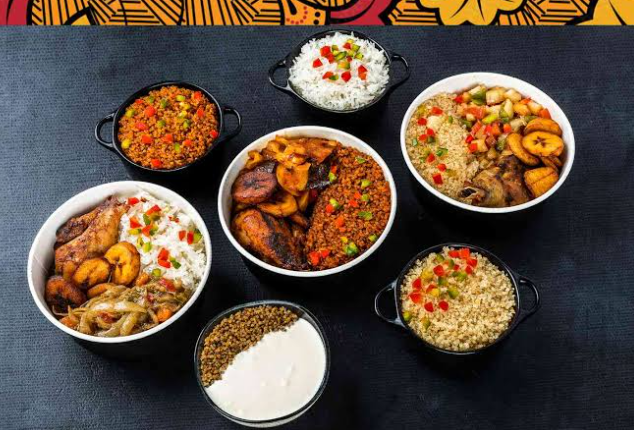
African cuisine encompasses a rich and diverse array of flavors, ingredients, and cooking techniques that reflect the continent’s cultural heritage. This culinary lifestyle offers unique tastes and healthy options, making it an appealing choice for those seeking to explore new food experiences.
1. The Diversity of African Ingredients
African food is renowned for its vibrant ingredients, which vary significantly across regions. For instance, staples like maize, rice, and cassava are prevalent in many countries, but ingredients such as teff and fonio in Ethiopia highlight the diversity. Each region also boasts local spices and herbs, such as berbere in East Africa or peri-peri in Southern Africa, which infuse dishes with distinctive flavors that are hard to replicate elsewhere.
Additionally, many African meals are built around seasonal and locally sourced ingredients. This not only supports local farmers but also enhances the freshness and nutritional value of meals. Popular dishes like jollof rice from West Africa or injera with doro wat from Ethiopia showcase how local ingredients can be transformed into something extraordinary.
-
- Explore local markets to discover fresh, seasonal ingredients.
-
- Try to incorporate a variety of grains like millet, sorghum, and teff into your meals.
-
- Experiment with locally sourced spices to elevate basic dishes.
-
- Consider gardening or sourcing food from community-supported agriculture (CSA) programs.
2. Traditional African Cooking Techniques
African cooking techniques offer insight into the cultural traditions of various tribes and communities. Common methods include grilling, steaming, and slow cooking, each imparting unique flavors to the food. For example, potjiekos, a traditional South African stew, is slow-cooked over an open flame, melding the flavors of meat and vegetables together beautifully.
Another popular technique is steaming, often seen in the preparation of dishes like fufu, a starchy side that serves as an accompaniment to various meals. These methods not only preserve the nutritional content of the ingredients but also engage the cook in an interactive way, often making meal preparation a communal activity.
-
- Learn traditional cooking methods like steaming and slow-cooking.
-
- Practice communal cooking to enhance the experience and share knowledge.
-
- Use open flames for grilling to impart smoky flavors to your dishes.
-
- Prioritize techniques that maximize flavor while keeping nutritional value intact.
3. Health Benefits of an African Food Lifestyle
Adopting an African food lifestyle offers numerous health benefits, largely due to the emphasis on whole foods and natural ingredients. Many African recipes center around vegetables, legumes, and lean proteins, creating nutrient-dense meals that support various dietary needs. For instance, dishes like peanut stew not only provide proteins and healthy fats but also incorporate vegetables for a well-rounded meal.
Moreover, traditional African diets are generally lower in processed foods and sugars compared to many Western diets. Incorporating fermented foods, such as injera or kenkey, can also enhance gut health, making the African food lifestyle not just delicious but beneficial for overall wellness.
-
- Focus on whole foods that are minimally processed.
-
- Incorporate more plant-based meals into your diet.
-
- Experiment with natural fermentation in your cooking.
-
- Balance your meals with proteins, carbs, and healthy fats for complete nutrition.
In conclusion, embracing the African food lifestyle can be a rewarding experience that introduces you to a world of flavors and health benefits. By exploring diverse ingredients, traditional cooking techniques, and balancing nutrition, you can enhance your culinary repertoire and your overall well-being. So why not start today? Dive into the rich flavors of African cuisine and enjoy the journey!