
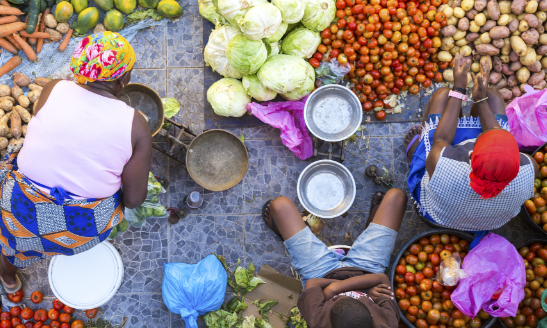
African food traditions are as diverse and rich as the continent itself, showcasing an array of flavors, ingredients, and cooking techniques. From communal feasts to everyday family meals, African cuisine reflects the history, culture, and values of its people.
1. The Role of Ingredients in African Cuisine
The foundation of African cooking is its reliance on locally sourced ingredients. Staples such as maize, cassava, and millet are common throughout sub-Saharan Africa, often forming the base for various dishes. In addition, spices and herbs such as ginger, garlic, and chili contribute unique flavors, while vegetables like okra and leafy greens add nutritional value.
Moreover, the use of indigenous ingredients varies from region to region, reflecting local agricultural practices and environmental conditions. For instance, in the West African region, groundnut (peanut) soup is beloved for its rich texture and flavor, while in East Africa, ugali, a maize porridge, serves as a staple accompaniment to many meals.
-
- Learn about local ingredients in your area.
-
- Experiment with regional spices when cooking.
-
- Support local farmers by purchasing fresh produce.
-
- Try incorporating unfamiliar ingredients into your meals.
-
- Attend a cooking class focused on African cuisine.
2. Community and Food Sharing Traditions
Food plays a central role in African communities, often serving as a vehicle for socializing and bonding. Meals are typically communal, with families and friends gathering to share dishes. This practice not only fosters connection but also passes down culinary traditions from one generation to another.
- Engage in communal cooking sessions with family or friends.
- Participate in local food festivals to experience social food practices.
- Share meals with neighbors to strengthen community ties.
- Learn traditional serving methods, such as using hands instead of utensils.
- Organize potlucks to encourage food sharing and exchange recipes.
3. Traditional Cooking Methods
Traditional cooking methods form the backbone of many African cuisines, emphasizing natural flavors and robust techniques. Techniques such as smoking, fermentation, and slow cooking are common, allowing for rich, deep flavors. For instance, in many East African cultures, fish may be smoked over an open fire, imparting a signature taste that distinguishes the dish.
Additionally, using clay pots or open fires is popular in rural areas, where they can be conveniently constructed. This cooking style not only retains the nutrients in the food but also connects the culinary process to cultural heritage and traditional practices.
- Try cooking with traditional methods like open-fire grilling.
- Research traditional recipes that require specific cooking techniques.
- Use earthenware pots to understand the cooking process better.
- Experiment with fermentation at home for making local dishes.
- Attend workshops that focus on traditional cooking methods.
In conclusion, exploring African food traditions opens a door to understanding not just flavors, but also the culture and community behind them. By experimenting with local ingredients, joining communal meals, and attempting traditional cooking methods, you can enrich your culinary experience. Take the leap today and dive deeper into the world of African cuisine.