
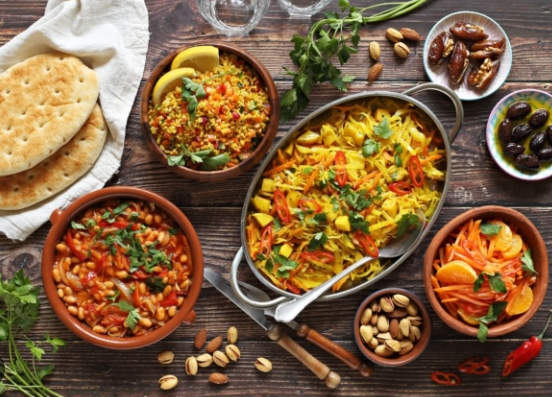
African food traditions are as diverse as the continent itself, showcasing a rich tapestry of cultures, ingredients, and culinary techniques. From the spicy stews of West Africa to the intricate dishes of the East, each region holds unique flavors and cooking styles that tell the story of its people. In this guide, we will delve into some of the most significant aspects of African food traditions and the ways they have shaped culinary experiences today.
1. The Significance of Staple Foods
Staple foods are the cornerstone of African diets, often varying by region but deeply rooted in cultural identity. In West Africa, for example, cassava and yams serve as primary sources of carbohydrates, while in East Africa, maize and sorghum are predominant. These staples not only provide sustenance but are also central to many social and cultural rituals, from harvest festivals to family gatherings.
In addition to their nutritional value, staple foods often have symbolic meanings tied to specific cultures. For example, injera, a sourdough flatbread from Ethiopia, is more than a meal accompaniment; it represents unity and hospitality as it is shared among family members. Understanding these staple foods allows us to appreciate the intricate relationship between culture and cuisine across the continent.
-
- Research the staple foods of different African regions.
-
- Try cooking a dish that features a local staple ingredient.
-
- Explore how these ingredients connect communities and traditions.
-
- Attend cultural food festivals to learn more directly from the sources.
2. The Role of Spices and Seasoning
Spices and herbs are vital in African cooking, enhancing not only flavor but also health benefits. Each region has its spice profile: Moroccan cuisine, for example, frequently employs spices like cumin, coriander, and saffron to achieve depth and warmth in its dishes. Similarly, the use of chili peppers in East African cooking adds heat and complexity to staples such as ugali and stews.
Moreover, cooking techniques often incorporate spices in ways that elevate traditional recipes. Berbere spice, a staple in Ethiopian cuisine, is used as a dry rub or added to stews, marrying flavors that reflect the country’s history and geography. This creative use of spices showcases the culinary genius that has developed over centuries across the continent.
-
- Experiment with different African spices in your cooking.
-
- Learn about the health benefits associated with various spices.
-
- Create your own blend of spices based on traditional recipes.
-
- Take a cooking class focused on African cuisine to enhance your knowledge.
3. Community and Culinary Practices
The communal aspect of food preparation and consumption is a hallmark of African culture. Meals are often enjoyed in a family setting, where food is not just nourishment but a way to strengthen bonds and celebrate traditions. In many cultures, it is customary to prepare dishes collectively, involving everyone in the process, from gathering ingredients to cooking and serving.
Additionally, traditional dishes often reflect the natural resources available in different environments, promoting sustainability within communities. For instance, in regions where fishing is prevalent, meals may consist of fish stews served with local grains or vegetables. This practice and the accompanying customs help maintain a connection to the land, fostering respect for the resources and traditions passed down through generations.
-
- Participate in community cooking events or gatherings.
-
- Share a meal with friends or family that features traditional African dishes.
-
- Learn about the sustainable practices of local food producers.
-
- Document your culinary experiences to explore their cultural significance.
4. The Influence of Heritage and Interactions
The influence of historical interactions, such as colonization and trade, has played a significant role in shaping the culinary landscape of Africa. Ingredients and cooking techniques were exchanged throughout history, resulting in unique fusions that reflect the continent’s diverse heritage. For instance, the British influence on South African cuisine has led to the creation of “braai,” a social barbecue experience that incorporates both local and European flavors.
This blending of traditions has given rise to modern African cuisine, where chefs often innovate while honoring their roots. Dishes that combine traditional and contemporary techniques create exciting culinary experiences, showcasing Africa’s vibrant food scene. By exploring these influences, one can gain a deeper understanding of how history is woven into the very fabric of African food traditions.
-
- Explore dishes that illustrate the blend of cultures.
-
- Visit African restaurants that showcase fusion cuisines.
-
- Seek cooking classes focusing on historic African dishes.
-
- Read about the historical influences on regional cuisines.
In conclusion, African food traditions are rich with history, flavor, and community. By embracing these culinary practices, you can not only enjoy delicious meals but also connect with the stories and cultures behind them. Consider experimenting with African recipes in your kitchen, and explore the diverse flavors that this continent has to offer!
“`